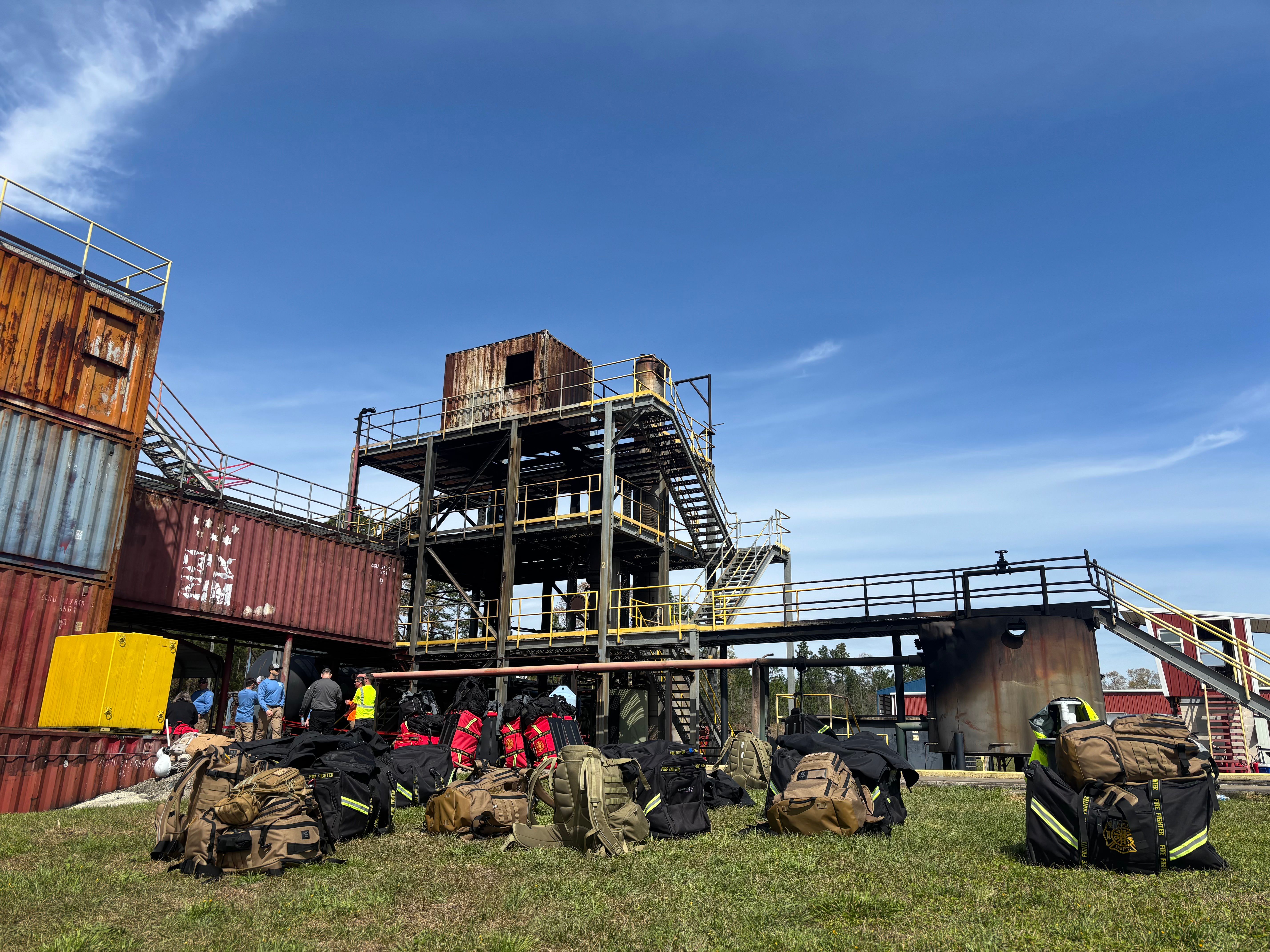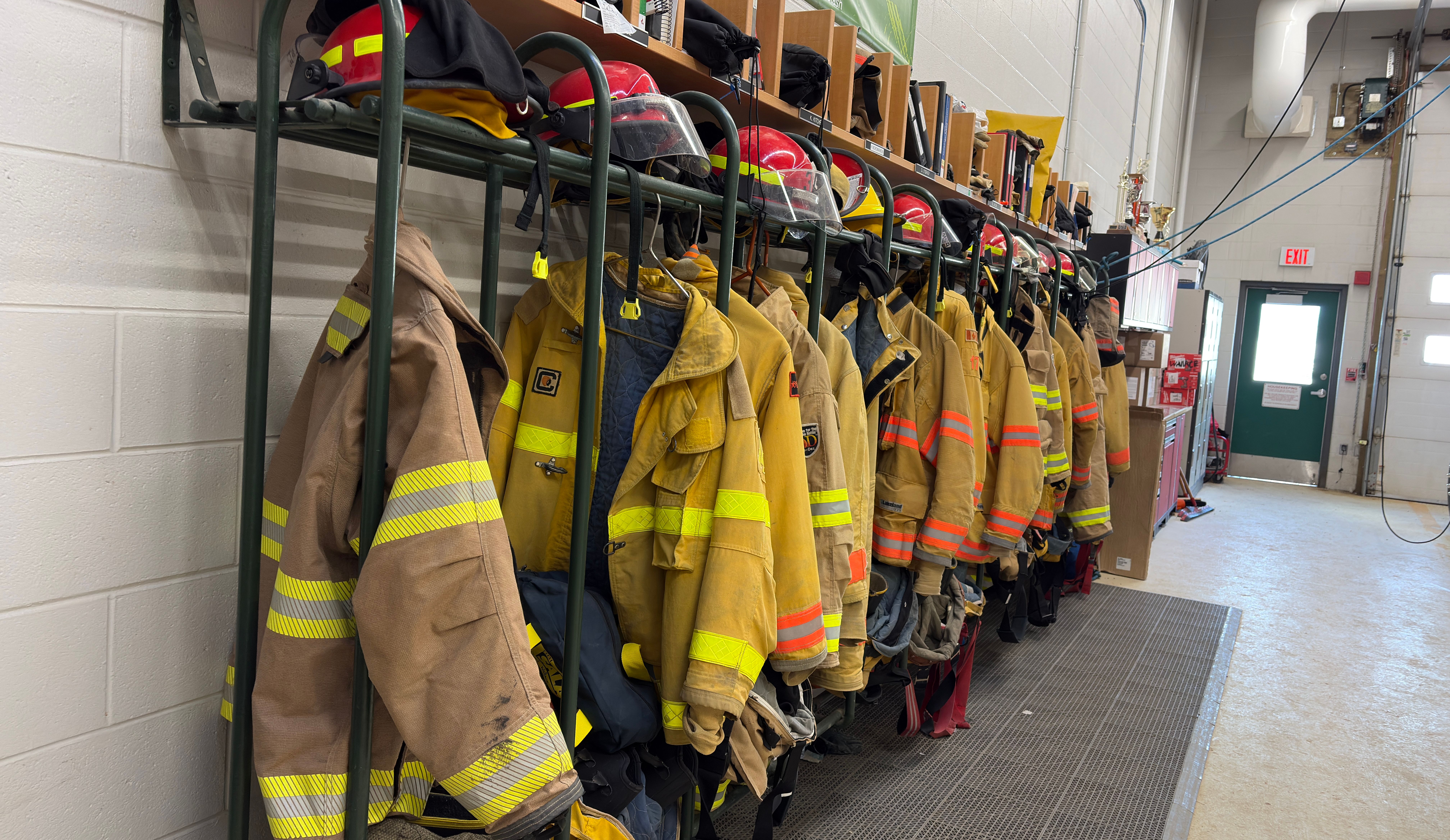
Prepared for anything, above ground or below: A glimpse at emergency readiness and first response in potash operations
Before potash ever reaches trains, ships and farmers’ fields, the people who mine and produce it must be safe.
At Nutrien, safety isn’t a checklist, it’s a permanent mindset that applies everywhere, every day, and doesn’t switch off at the end of a shift.
“I cut the grass with earplugs and boots on,” says Kurt Wallace, ERT Coordinator at our Allan Potash site. “It’s instilled, so I take safety home with me.”
That always‑on mindset is backed by real emergency readiness. While some potash operations are closer to municipal emergency services than others, every site has trained teams ready to respond immediately when minutes matter.
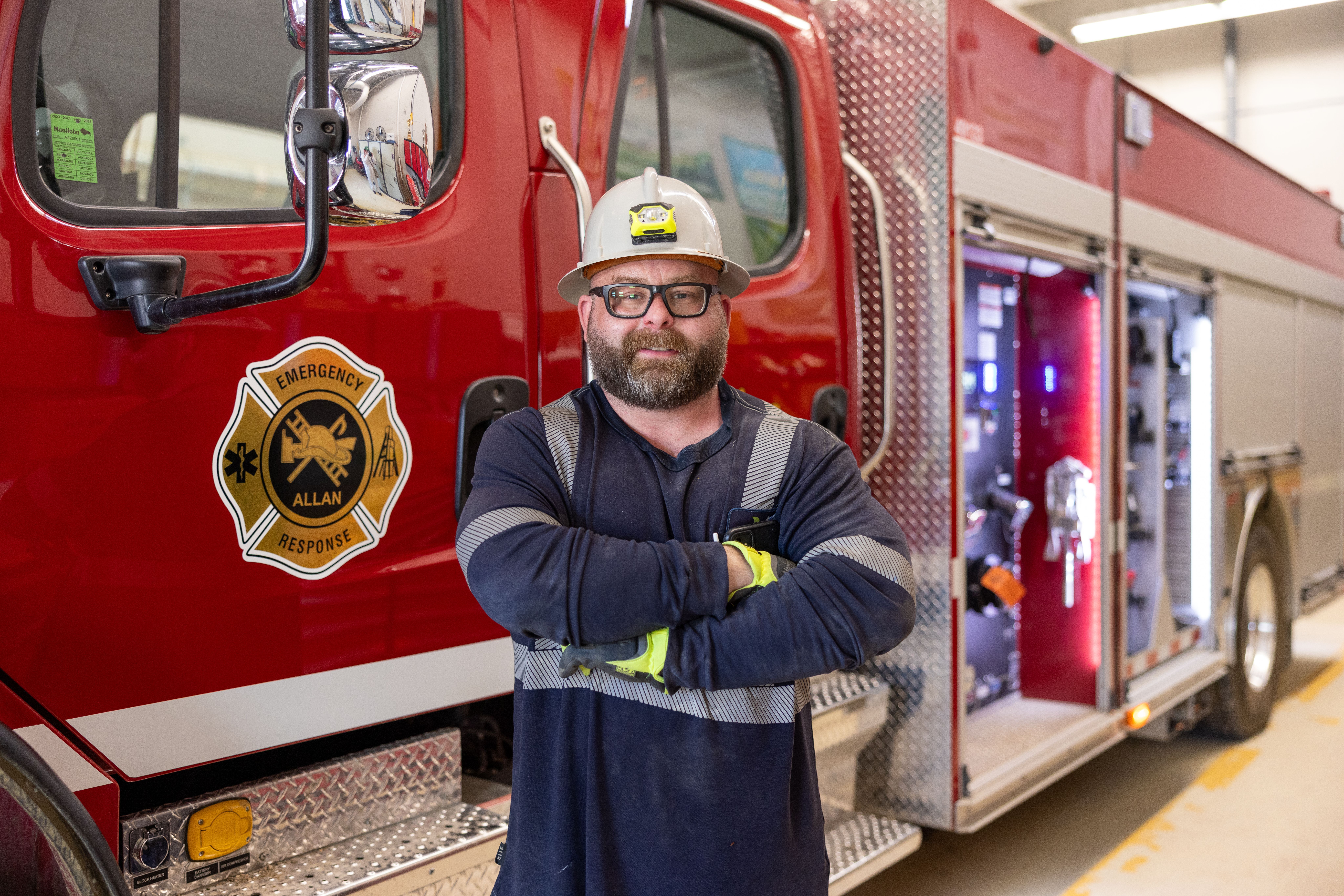
Kurt Wallace, ERT Coordinator, Allan
ERTs (Emergency Response Teams) are based above ground, while Mine Rescue Teams are below ground. They are equipped to act as first responders in fires, medical emergencies, rescues and other serious incidents. They coordinate closely with external emergency services when needed.
Kurt and other ERT coordinators lead emergency response and oversee regular site training. Skills are practiced and refined through monthly training sessions that cover a wide range of realistic scenarios, from medical incidents and rescues to fire response and emergency stabilization.
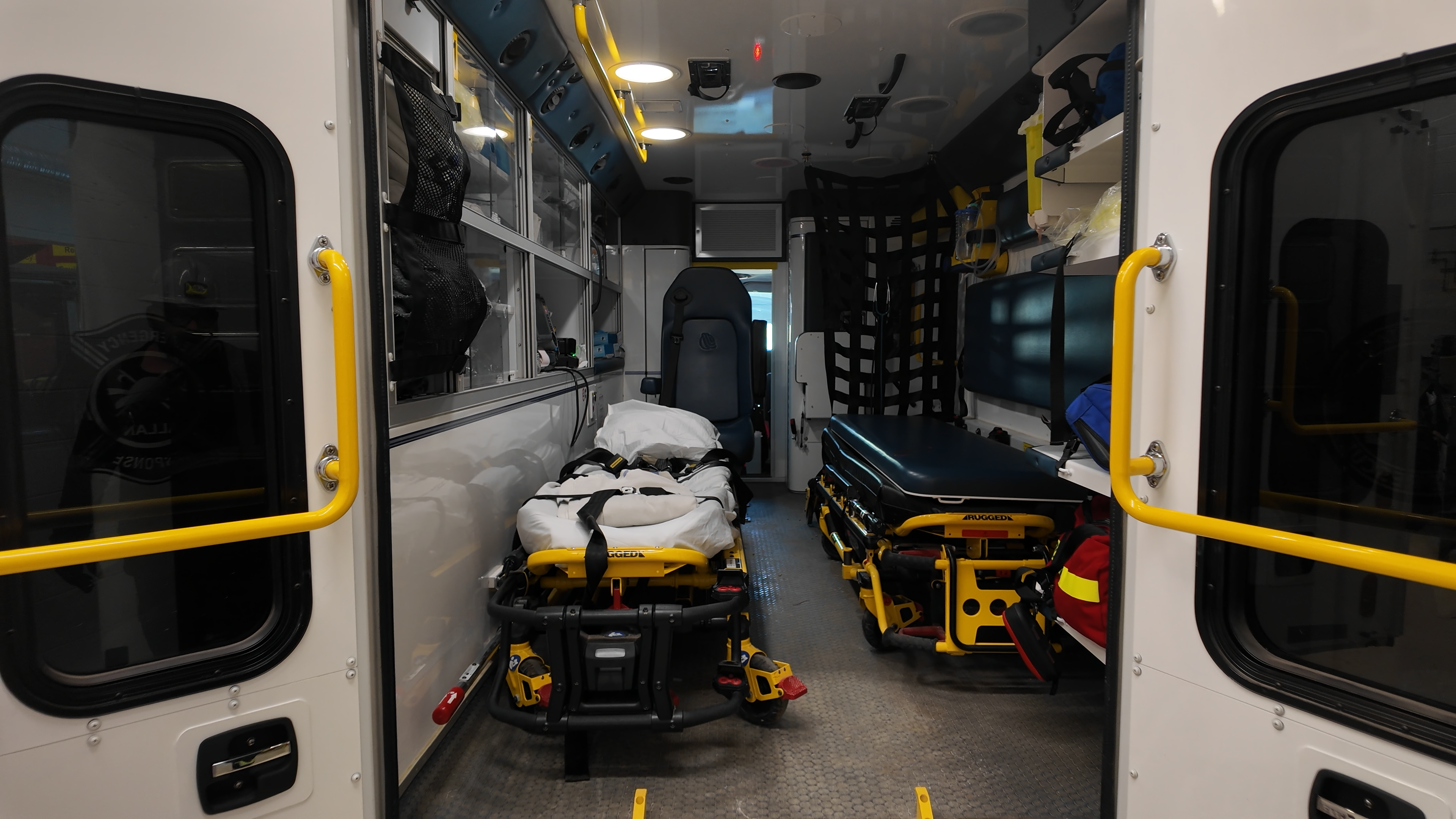
Nutrien emergency vehicle, Allan
In some cases, teams may meet an ambulance halfway on the highway. In others, they can safely transport someone with a less serious injury directly to hospital. More often, they provide critical early care, such as administering first aid, oxygen, monitoring vital signs and stabilizing patients until additional support arrives.
“It’s the kind of readiness most people never see, but it’s what allows operations to keep moving safely, day after day, in a way people can depend on,” says Leslie Frehlich, GM, Allan Potash site. “We operate in environments where conditions can change quickly. When something goes wrong, preparation and training make all the difference, which is why we invest so heavily in our emergency response teams and treat safety as a mindset, not a moment.”
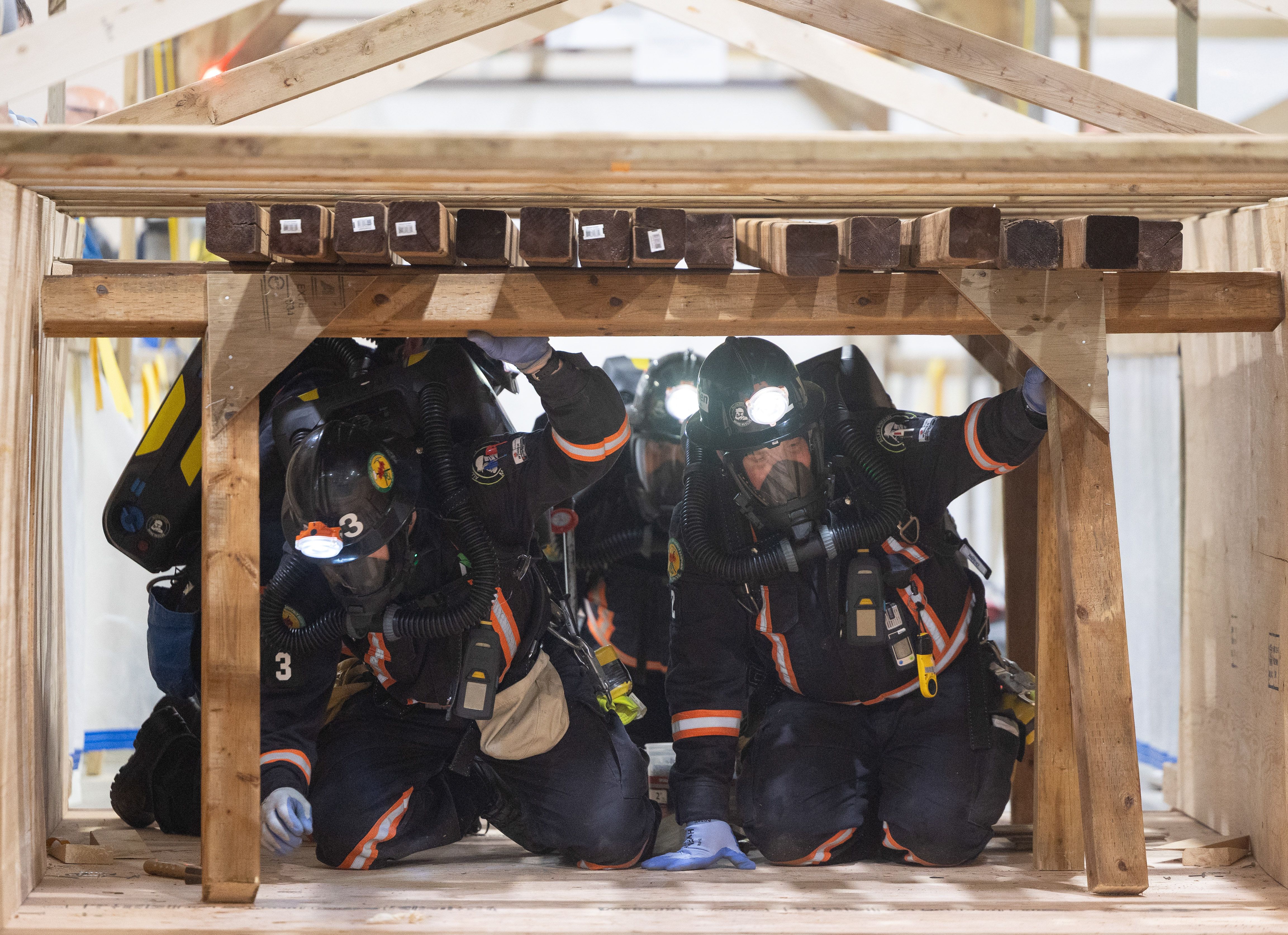
2025 Mining Week, Emergency Response Competition
ERT capabilities are most visible during annual mine rescue competitions, where teams demonstrate skills comparable to firefighters. But the same training carries into everyday life. Many ERT members also serve as volunteer firefighters in their communities, or step in as calm, capable good Samaritans when emergencies happen off the job.
For the most part, preparedness happens quietly, behind the scenes.
Did you know?
- All potash sites are equipped with dedicated emergency vehicles and firefighting equipment
- Emergency response coverage is available 24/7 at every site
- Nearby potash sites can provide mutual aid in serious emergency situations
- ERTs are trained to respond to fires, serious incidents, medical emergencies, rescues, hazardous materials and more
- Monthly training and mock scenarios keep skills sharp
While safety is everyone’s responsibility, having on‑site emergency teams ready to respond adds a critical layer of protection.
ERTs don’t just model safe choices, they help set the standard through preparation, judgment and teamwork that makes reliable, responsible operations possible.
“To me, a culture of safety is a culture of care,” says Kurt. “You need to care about your fellow workers and your fellow people.”
Related stories
Explore more about Nutrien
Top of their class: Nutrien teams challenge their peers at the 56th SMA Emergency Response Mine Rescue Skills Competition
Read more