From Dressing Room to Mine Site: How Team Sports Prepare You for a Career in Potash
At 16, Jesse Zetariuk made what he thought was an innocent mistake.
It was his first team meal with the WHL’s No. 1 ranked Red Deer Rebels. New city. New teammates. High expectations.
When dinner was served, Jesse stepped out front, filled his plate, and even grabbed two drinks — not out of arrogance, just inexperience.
“I was the first guy in line, thinking nothing of it,” he recalled. “And I got chewed out so bad that I never made that mistake again.”
It didn’t come from one voice. It came from everyone.
“It was my entire team, and when I went to the coach, he gave me the exact same message.”
Under a coach like Brent Sutter, small moments carried big meaning. That day wasn’t about food, it was about humility, respect, and knowing your place on a team. The lesson stayed with him long after his playing days.

The Skills That Travel with You
When Jesse first applied to work at a potash mine, he admits he knew almost nothing about the industry. He wasn’t following a family tradition, nor did he have a clear career path.
More than a decade later, now a father of two young boys, he’s still at Nutrien, working as a supervisor at the company’s Cory potash mine Saskatchewan.
What’s fueled his working career wasn’t his technical expertise, it was his mindset.
“Anyone we’ve hired from team sports understands what it means to help someone else — not for personal gain, but because you’re part of something bigger.”
It’s a mindset that fits naturally in a potash operation, where success depends on many roles working together — much like a hockey team.
Potash is a Team Game
When you watch playoff hockey, one thing becomes obvious quickly: championships aren’t won by one star – and in a potash mine, it’s no different.
“Not everybody’s a first-line scorer,” Jesse said. “Everybody has a different job, but everybody has to do it well.”
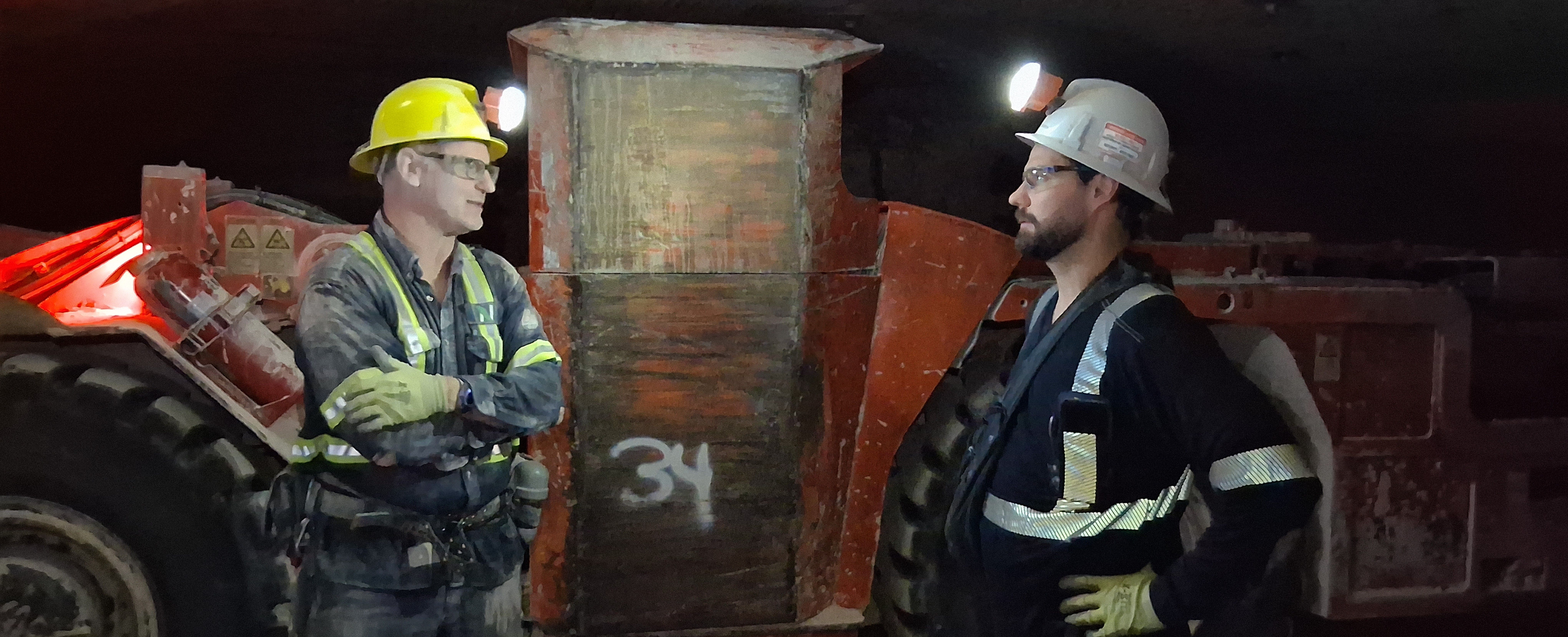
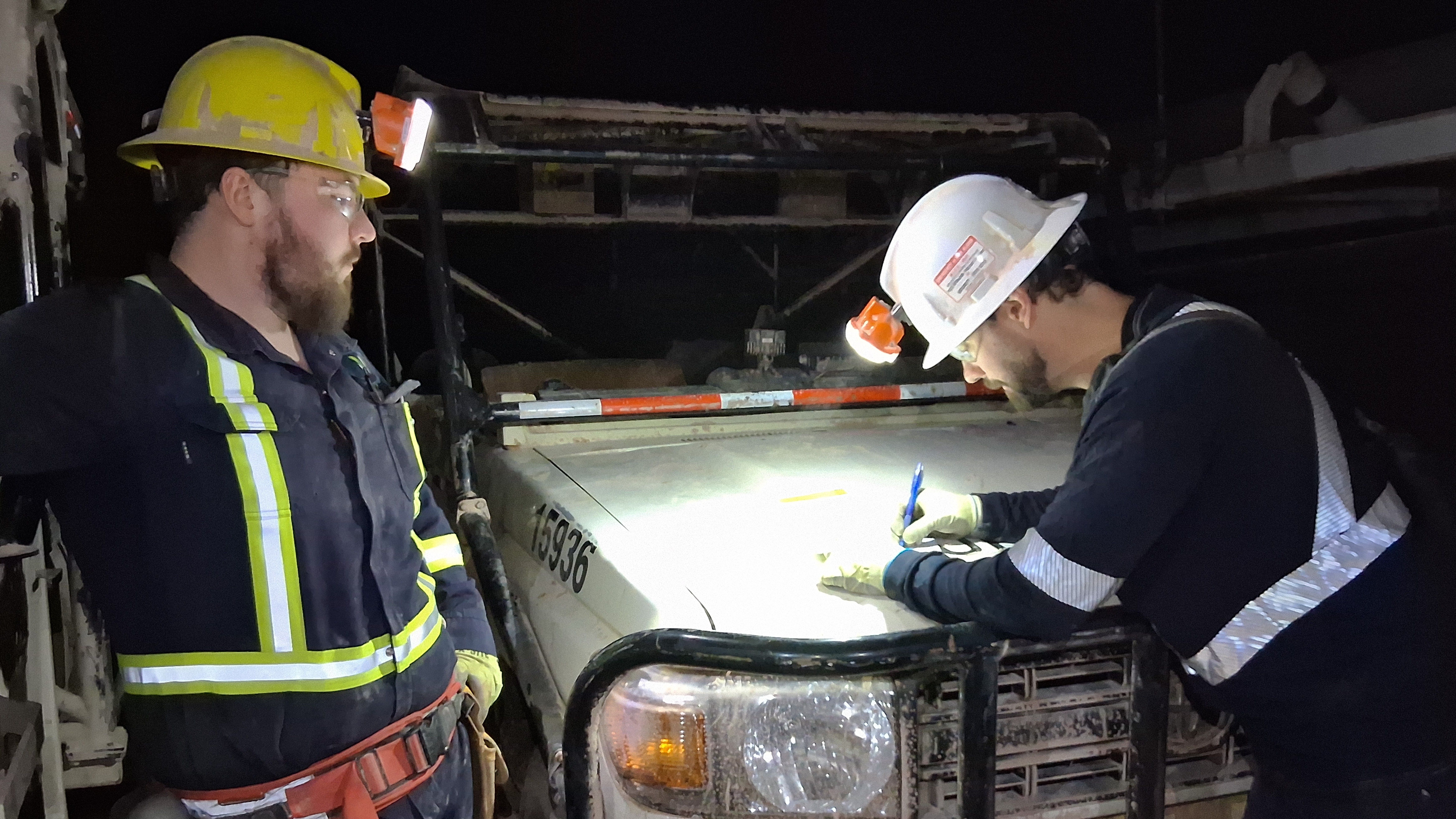
On the ice, teams rely on players with specific roles. Underground in a mine, success depends on the same idea – miners cutting tons, operators moving material, maintenance teams repairing equipment, and crews focused on keeping people safe. Above ground, planners, engineers, and supervisors coordinate the work to ensure it’s done safely.
“You don’t have to be the best at everything. But if you can specialize and be really good at one thing, you’re an asset.”
Much like hockey, trust is earned by doing your job well, shift after shift.
Accountability Still Matters
One of the strongest parallels Zetariuk sees between hockey and potash is accountability — to yourself and to the team.
“That’s something Brent Sutter coached into us hard. If you can’t look at yourself in the mirror at the end of the day, how can you show your face to your teammates?”
Mistakes happen in any workplace. What matters is owning them.
“If it was a tough day but you tried your hardest, we can live with that. Not every day is going to be successful.”
Deflecting responsibility doesn’t work in a dressing room — or underground.
Where Teamwork Turns Into Camaraderie
That teamwork doesn’t stop when the shift ends. Much like a dressing room, the shared challenges of working underground naturally build camaraderie at a site.
“When you’re working with the same people day in and day out, relying on each other to do your jobs safely and well, you form real bonds,” Jesse said. “It becomes more than just work — it becomes a group you care about.”
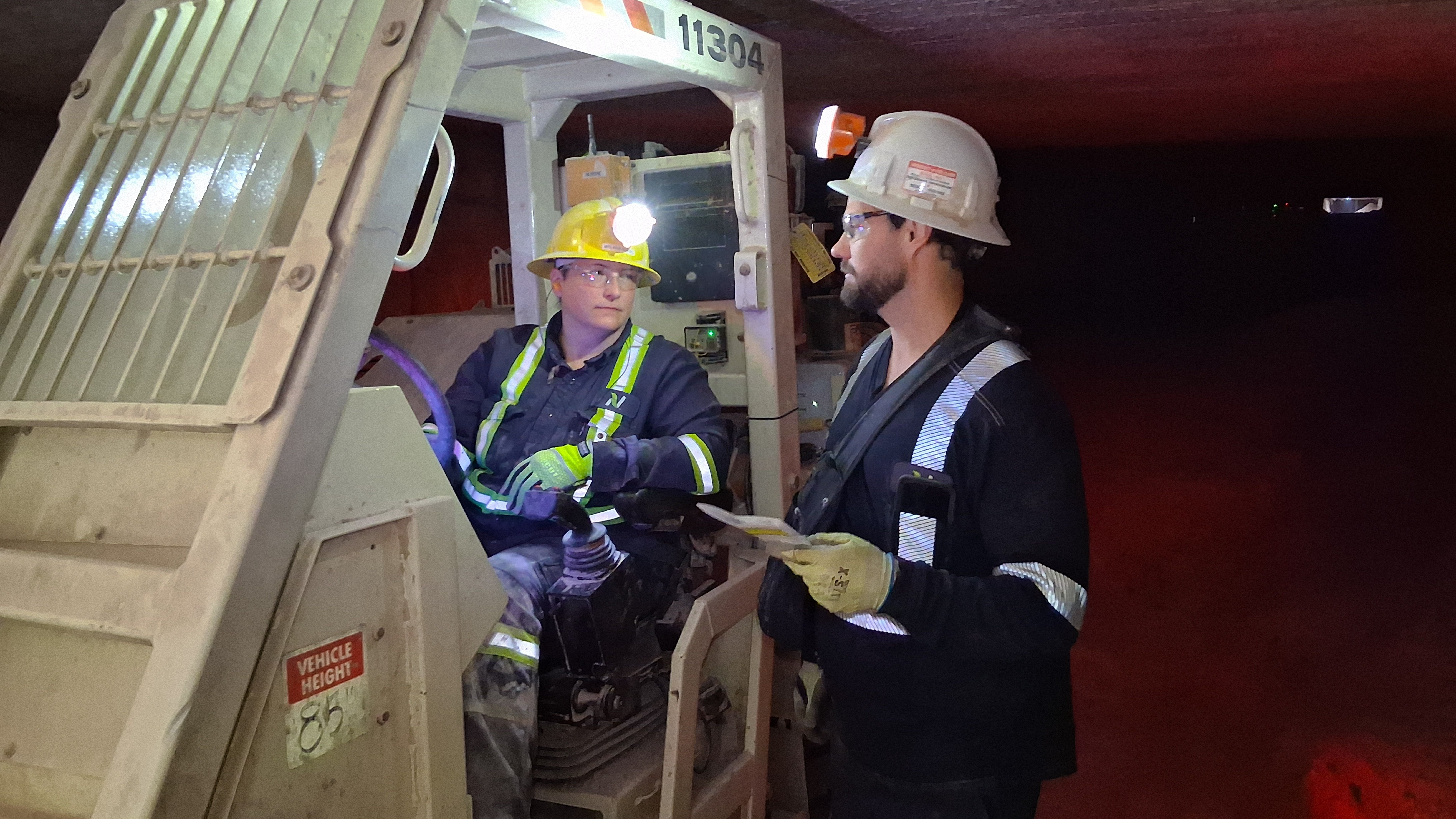
For athletes coming out of a team sport like hockey, that sense of belonging can feel familiar. Long hours, shared responsibility, and trust create the same kind of chemistry former players recognize.
Those bonds often extend beyond the mine – into fishing trips, hunting weekends, weddings, and group chats that have nothing to do with work.
“We laugh a lot,” he said. “It’s what makes the hard days easier.”
For former athletes who worry that the camaraderie fades once their playing days end, Jesse sees every day that it doesn’t.
From Playoffs to the Next Chapter
With the WHL playoffs into its championship series — and Nutrien proudly sponsoring the action — Jesse has a message for players thinking about what comes next.
“If you’ve played high‑level team sports, you’re more prepared for that next chapter than you think,” he says. “You’ve learned to lose. You’ve learned accountability. You’ve learned how to be part of something bigger than yourself.”
Those lessons don’t disappear when the skates come off.
Apply Today
If you’re a current or former athlete thinking about what comes next, potash offers meaningful, team‑based careers where the skills you’ve built through sport can thrive.
From agriculture to skilled trades, manufacturing, engineering and business professionals, Nutrien has opportunities across our operations around the world.
Explore careers and apply online at http://nutrien.com/hockey
Related stories