How Teamwork Keeps Ammonia Moving Safely Across North America
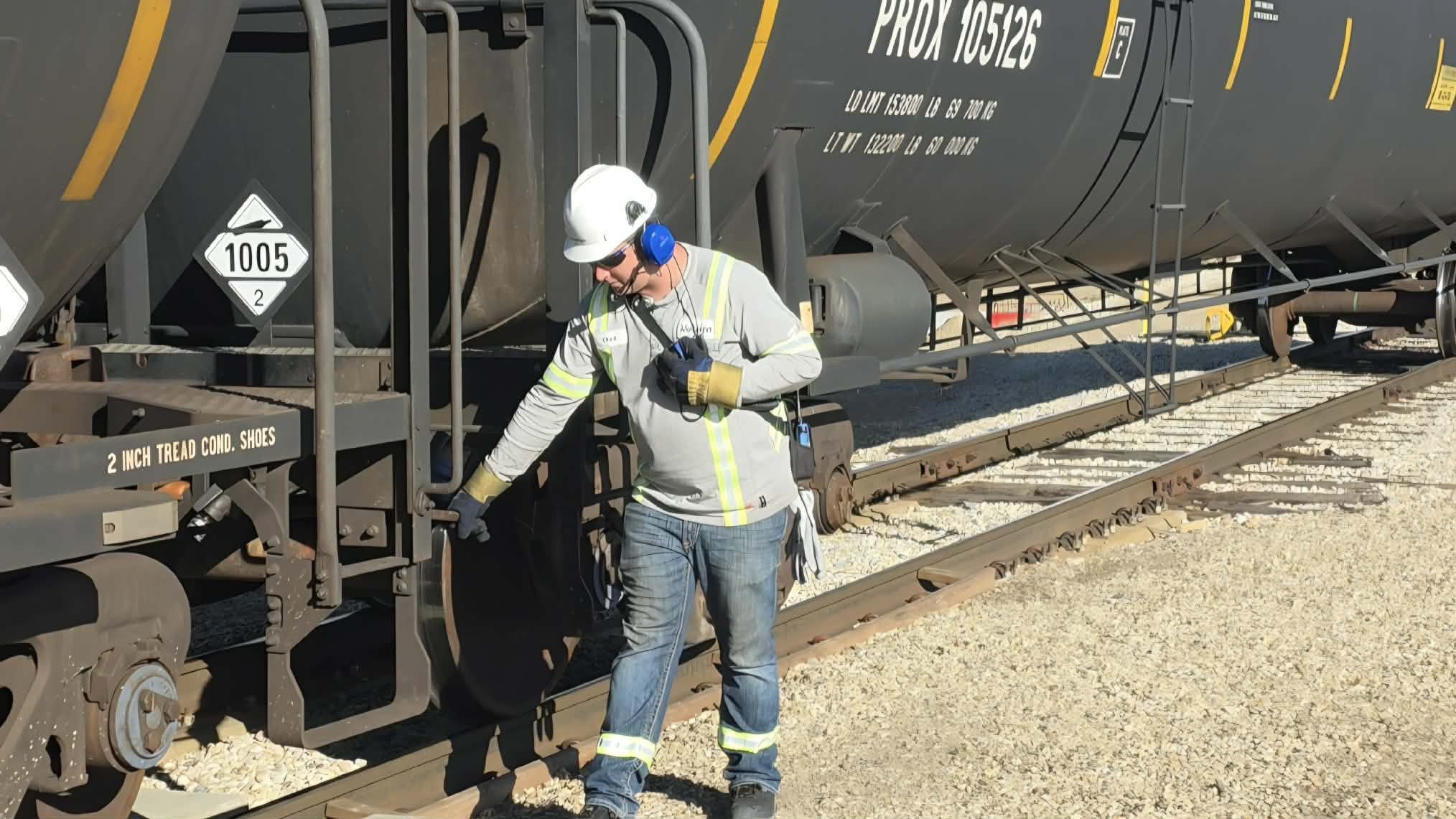
At Nutrien's Chigwell terminal in central Alberta, Chad Petersen can often hear when something isn't right.
A railcar loading differently sounds different. A valve that isn't fully open may squeal louder. Running gear can chatter when something is off.
“That's usually how I catch things, actually, is by sound,” says Chad, a loadout technician. “Even if a car is loading different, it sounds different.”
That attention to detail is one small part of a much larger effort.
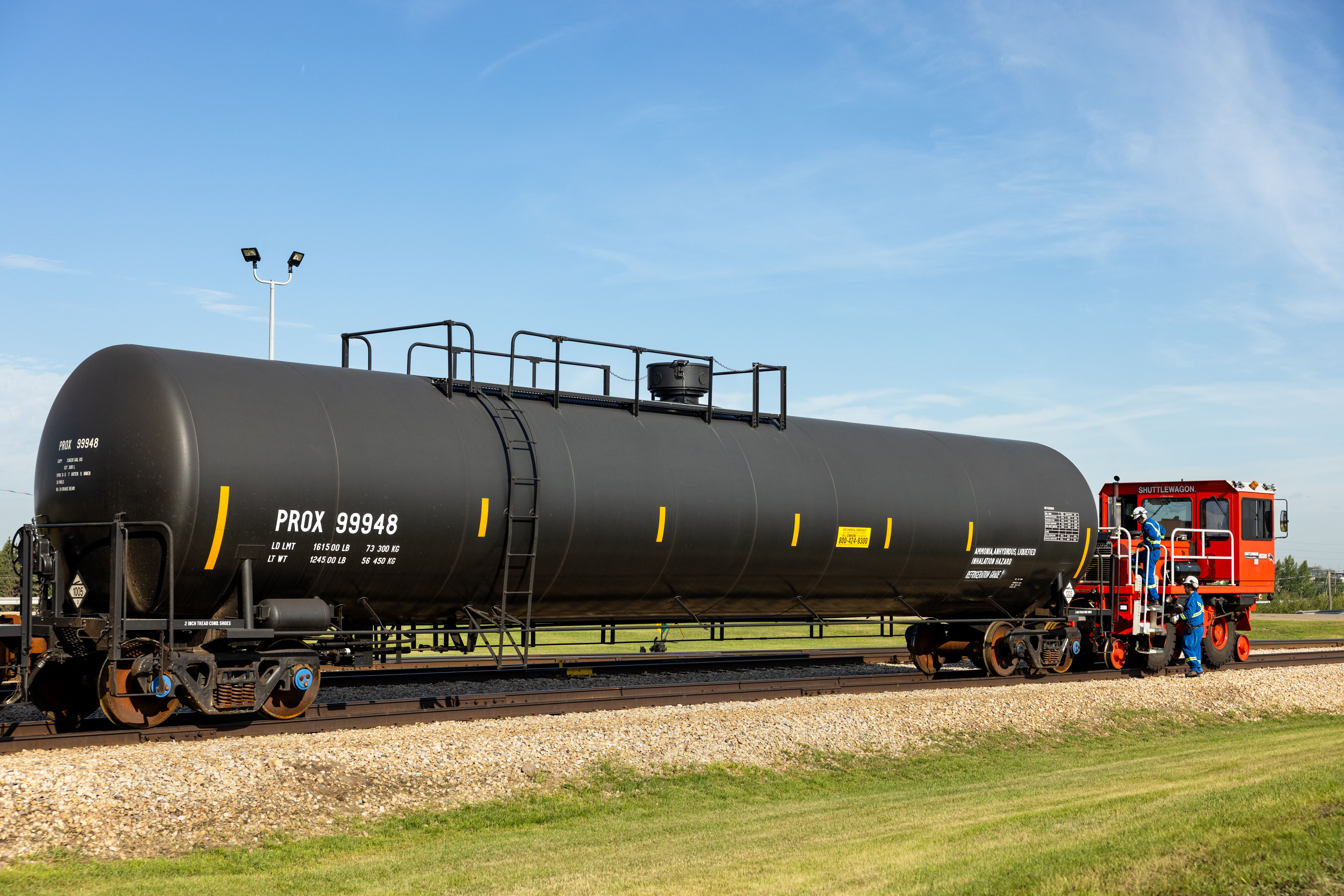
More than 12,000 ammonia carloads move through Nutrien's network each year.Before a railcar reaches a customer, it passes through layers of planning, engineering, inspection and verification involving employees across the company.
Safety Starts Long Before a Railcar Moves
Long before Chad hears a railcar loading, Haley Boldt’s team is helping determine how that railcar will be built.
“Most people probably assume you buy a railcar off the shelf,” says Haley, senior manager, rail fleet. “In reality, there are a lot of conversations before a railcar ever gets built.”
Nutrien's rail fleet team works closely with operations, maintenance and site personnel to help ensure railcars are designed not only to meet regulatory requirements but also to safely support the employees who interact with them throughout their lifecycle.
That includes evaluating safety features such as enhanced valve protection, strengthened railcar components and employee-focused design improvements that make railcars safer to inspect, load and maintain.
Building Quality Into the Process
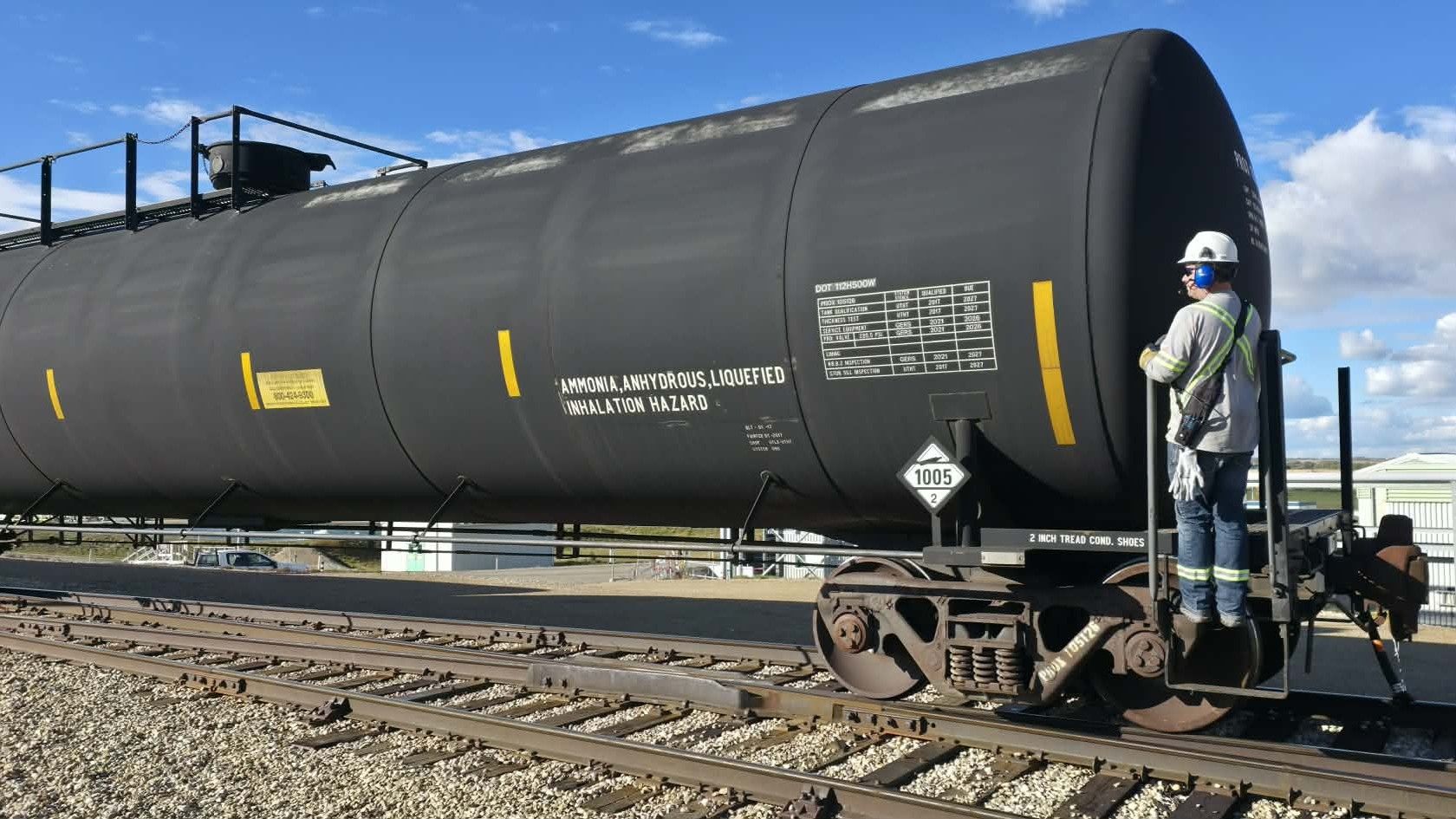
Nutrien's next-generation ammonia railcars are built at a manufacturing facility in Louisiana.
But Haley's team doesn't simply place an order and wait for a finished product to arrive.
Before large production runs begin, team members travel to the facility to inspect sample railcars alongside manufacturers and third-party inspectors.
“We're looking at everything,” Haley says. “The welds. The components. The materials being used.”
The Louisiana facility is massive.
“It’s like an orchestra,” Haley says, describing the activity on the manufacturing floor.
For Haley and her colleagues, the visits aren't about admiring finished railcars. They're about making sure potential issues are identifiedearly, before hundreds of railcars are built.
That attention to detail continues throughout the manufacturing process, helping verify everything from component installation to quality assurance requirements.
Many Eyes on One Railcar
The inspections don't end when the railcar leaves the factory.
When it reaches Alberta, another round of acceptance inspections takes place before the car officially enters service.
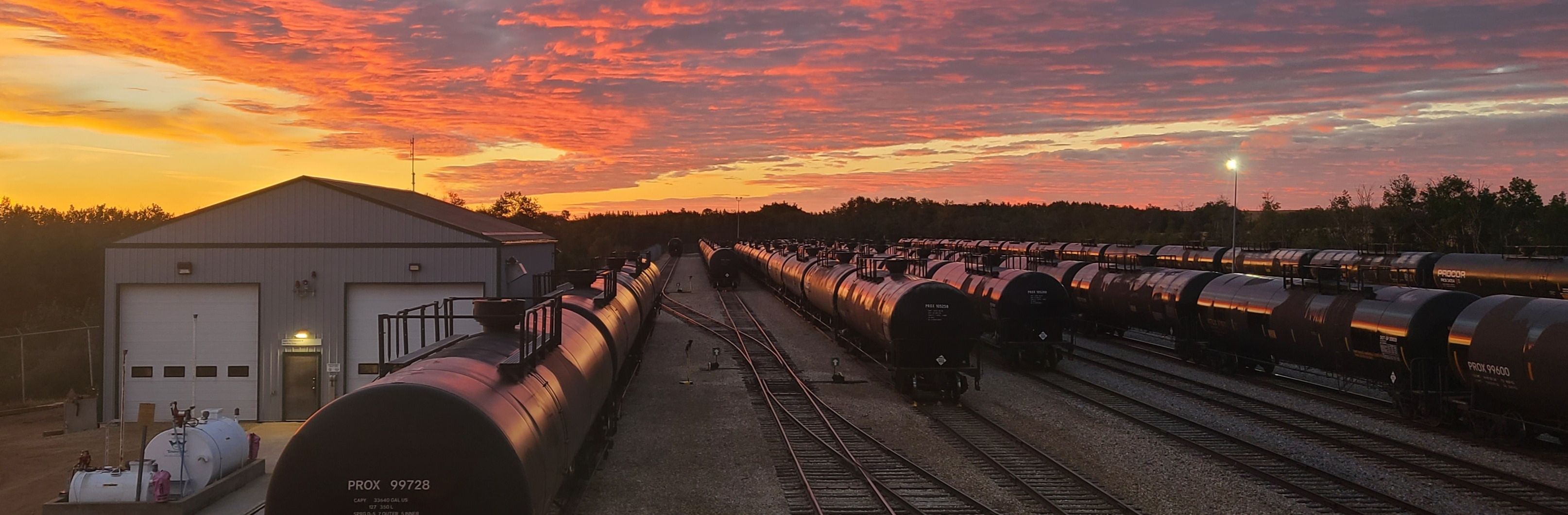
At Chigwell, employees like Chad become the final safeguard before a railcar starts moving product.
Gas tests are performed.
Valves are inspected.
Connections are verified.
Only then does loading begin.
If something doesn't look right, the process stops.
“We like to catch any problems at the first opportunity we can,” Chad says.
After loading, one final inspection takes place before the railcar is released.
Then somebody signs their name.
“We're signing a document saying that car is safe to travel.”
It’s a responsibility Chad doesn't take lightly.
“Every step that we do, we're thinking two steps ahead.”
The train then begins its journey.
But the watching continues.
Railroads perform inspections along the way. Regulators conduct spot checks. Carriers can reject equipment if something doesn't meet requirements.
The Job Isn't Finished Yet
Eventually, the ammonia reaches its destination and is unloaded.
Mission accomplished.
Not quite.
“A railcar is never truly empty,” Haley says.
Even after unloading, responsibility remains.
Before the railcar can begin its journey home, it must once again meet transportation requirements and be certified safe for return.
Only then does the cycle begin again.
The People Behind Safe Shipments
The safest railcar journeys have something in common.
Nothing happens.
No leaks.
No releases.
No incidents.
Just a railcar safely delivering product where it needs to go.
Those uneventful journeys have helped Nutrien earn multiple rail safety awards recognizing the safe transportation of hazardous materials.
But Anne-Marie Davies, Senior Director, Transportation Rail, says the recognition belongs to the people doing the work.
“I don’t know what it’s like to be loading a railcar in minus 30 in the middle of January,” Anne‑Marie says. “We can provide safe equipment, procedures and support, but the real work happens at the sites, where employees do this safely every day, in all conditions.”
Those awards are the result of thousands of decisions made every year.
They happen when someone selects a safer design.
When someone inspects a weld.
When a factory inspector catches a problem before it spreads.
When Chad hears something unusual and investigates.
And when employees across Nutrien take the time to do the job right.
Although this story followed one ammonia railcar through Chigwell, similar work happens every day across Nutrien's network, from manufacturing reviews and fleet management to inspections, loading and transportation.
Most customers will never know the names of the people involved.
But they're the reason safe shipments happen every day.
Related stories