Not Your Grandfather’s Potash Mine: Nutrien’s operations redefine modern mining
A rare view from the top of a tailings pile at Nutrien’s Rocanville potash site.
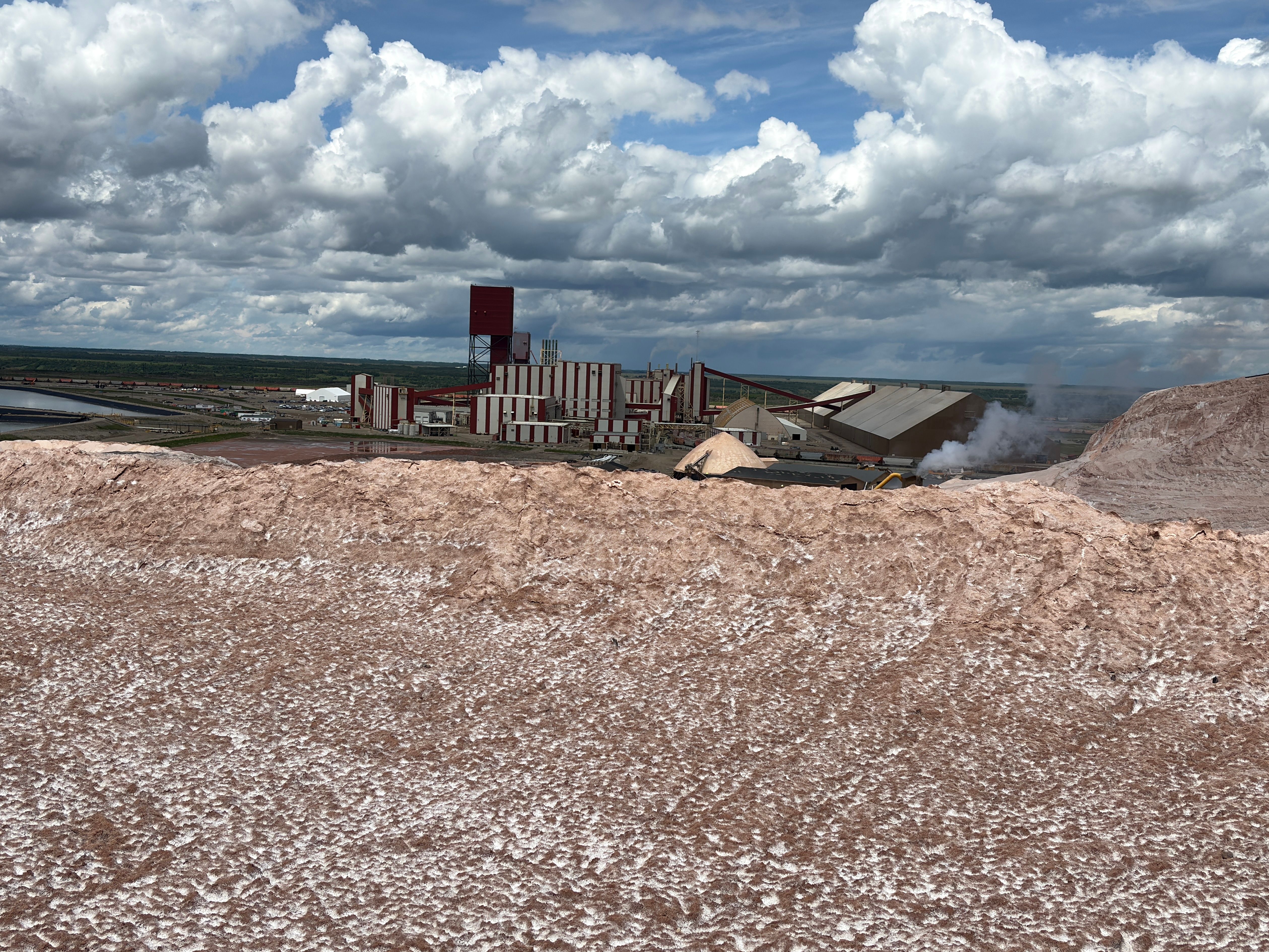
Pictured: Nutrien’s Rocanville potash site looking over the mill
What you see on the surface is only part of the story.
Beneath the land lies the largest potash mine in the world – spanning the distance of Calgary, Alberta and operating far beyond what many people might expect.
“I honestly can’t get over that we drove 45 minutes underground, and all of the equipment you see that moved here in an elevator shaft,” says Mike Tate, CEO, Regina & District Chamber of Commerce. “It all starts in Saskatchewan, and we’re proud of it and fortunate to have it.”
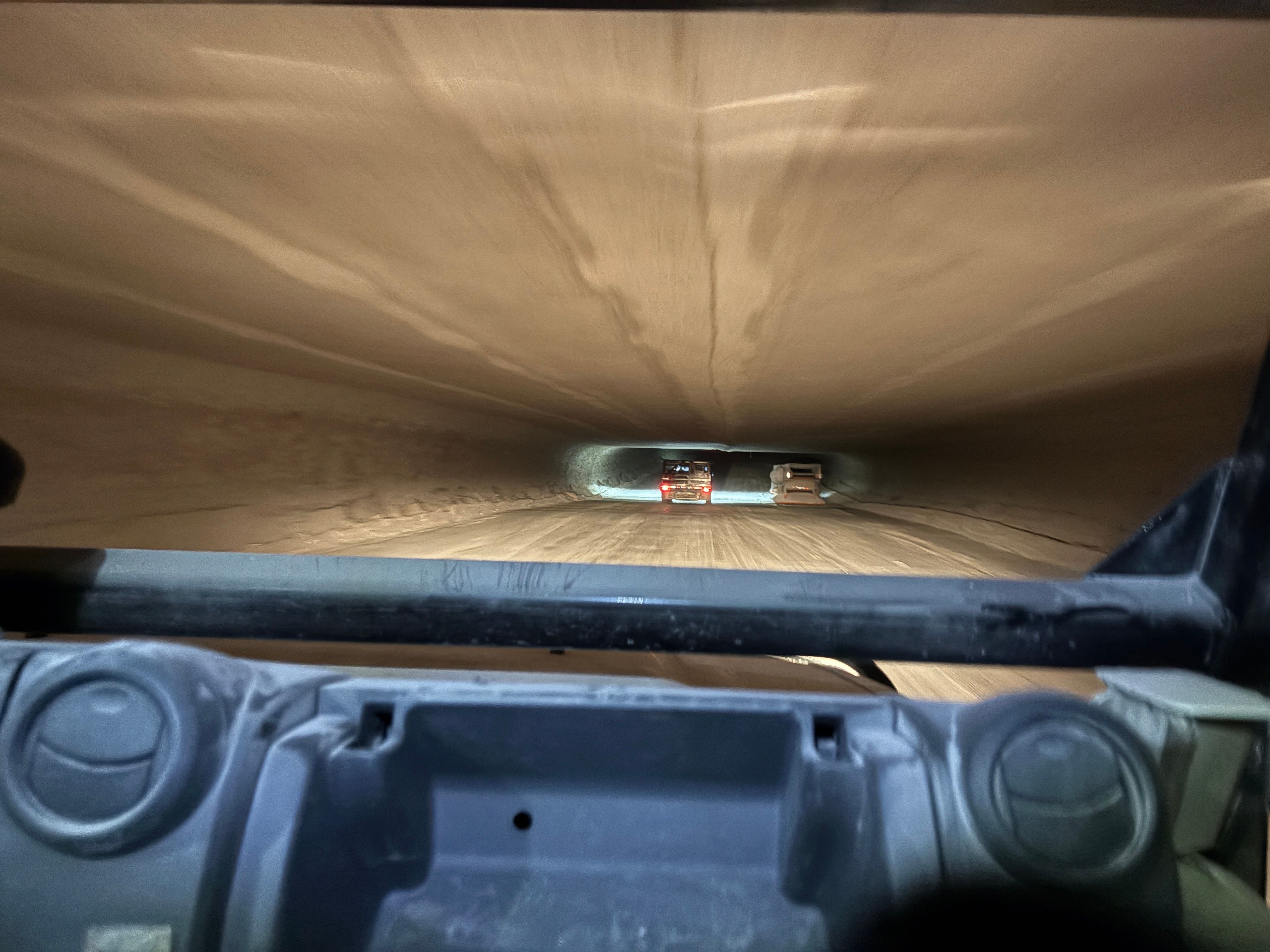
Pictured: Driving underground at Nutrien’s Rocanville potash site
“I think a lot of people who grew up in the area think of mining as pickaxes, pails, and torch lamps – that’s not where mining is today,” says Jason Aebig, CEO, Greater Saskatoon Chamber of Commerce.
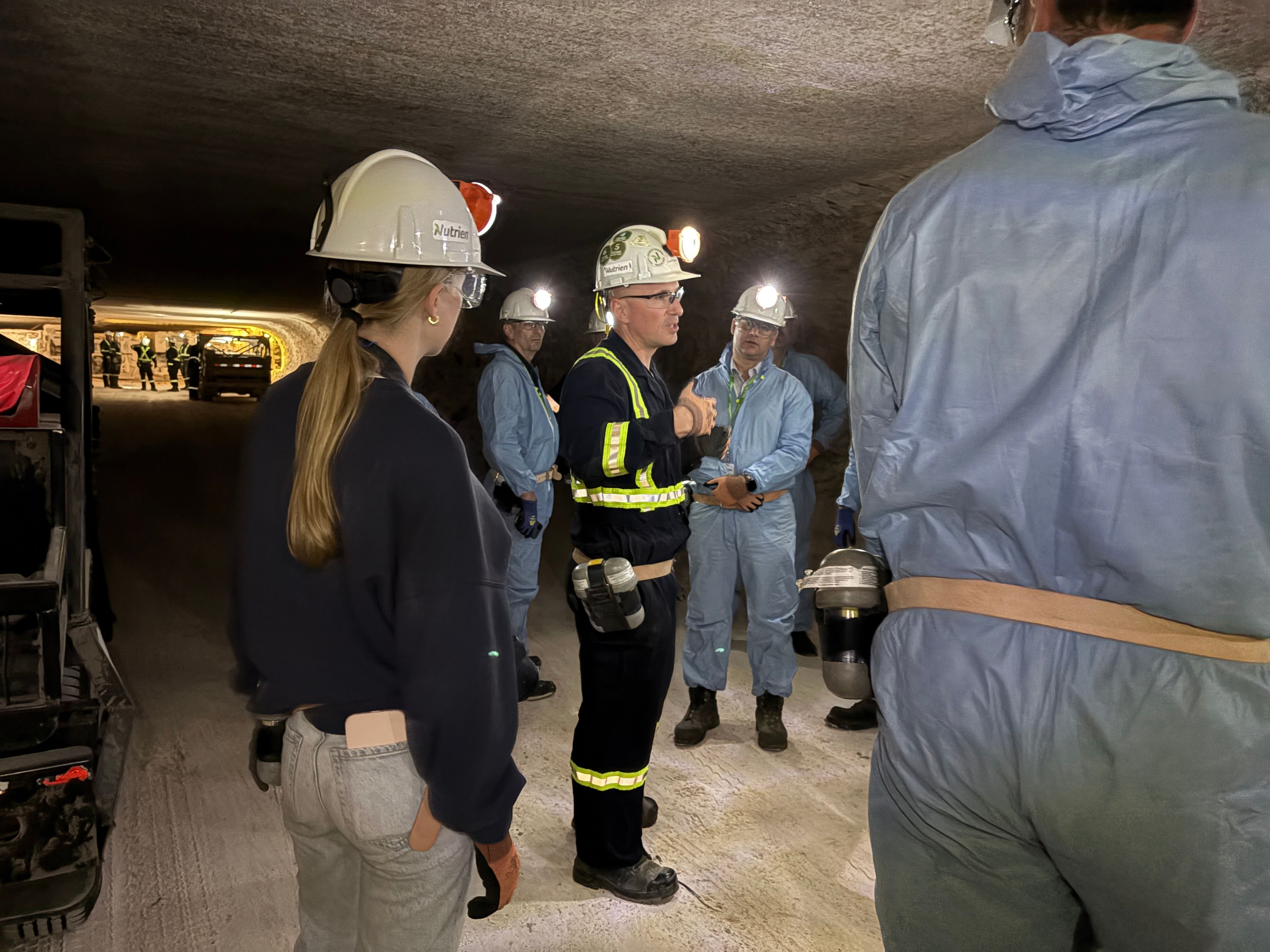
Pictured: Justin Young, GM, Nutrien Rocanville potash site guides underground tour
That gap between perception and reality is something visitors begin to understand quickly. During recent visits to Nutrien’s Rocanville and Cory operations, many saw firsthand how modern potash mining has evolved, driven by automation, technology and continuous innovation focused on safety, efficiency, and excellence.
Today’s operations look very different than decades ago.
For employees, that evolution is personal as many have been part of it.
“The advancements we’ve made in safety, technology, and tools have eliminated a lot of those hazards that our grandfathers or uncles would have faced generations ago in the 1960’s, 70’s, or 80’s,” says Paul Stapleton, Mine General Foreman at Rocanville potash site.
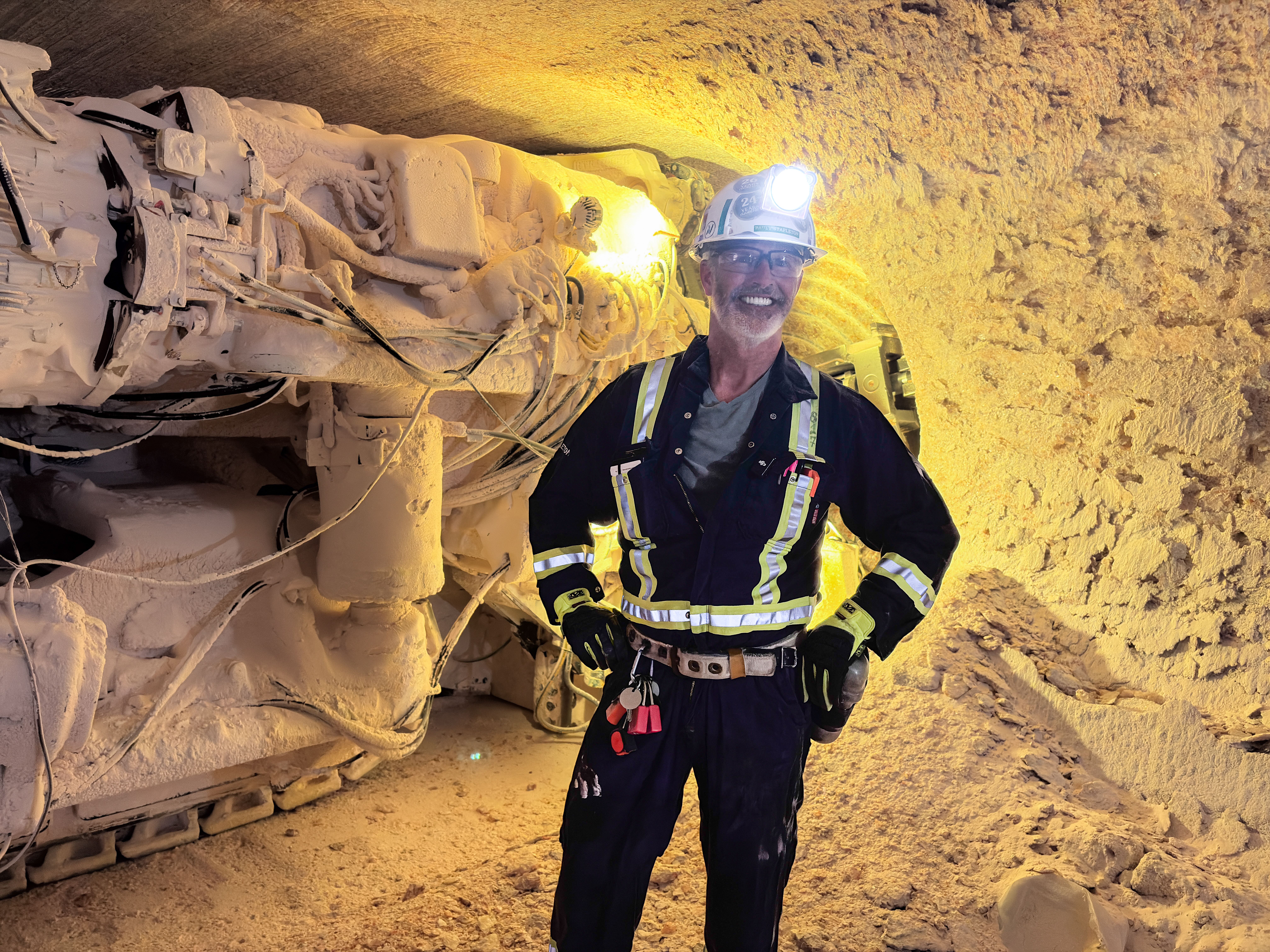
Pictured: Paul Stapleton in front of the Panther Miner
With 27 years spent at Rocanville, Paul has seen that change firsthand, particularly as automation continues to reshape how work gets done.
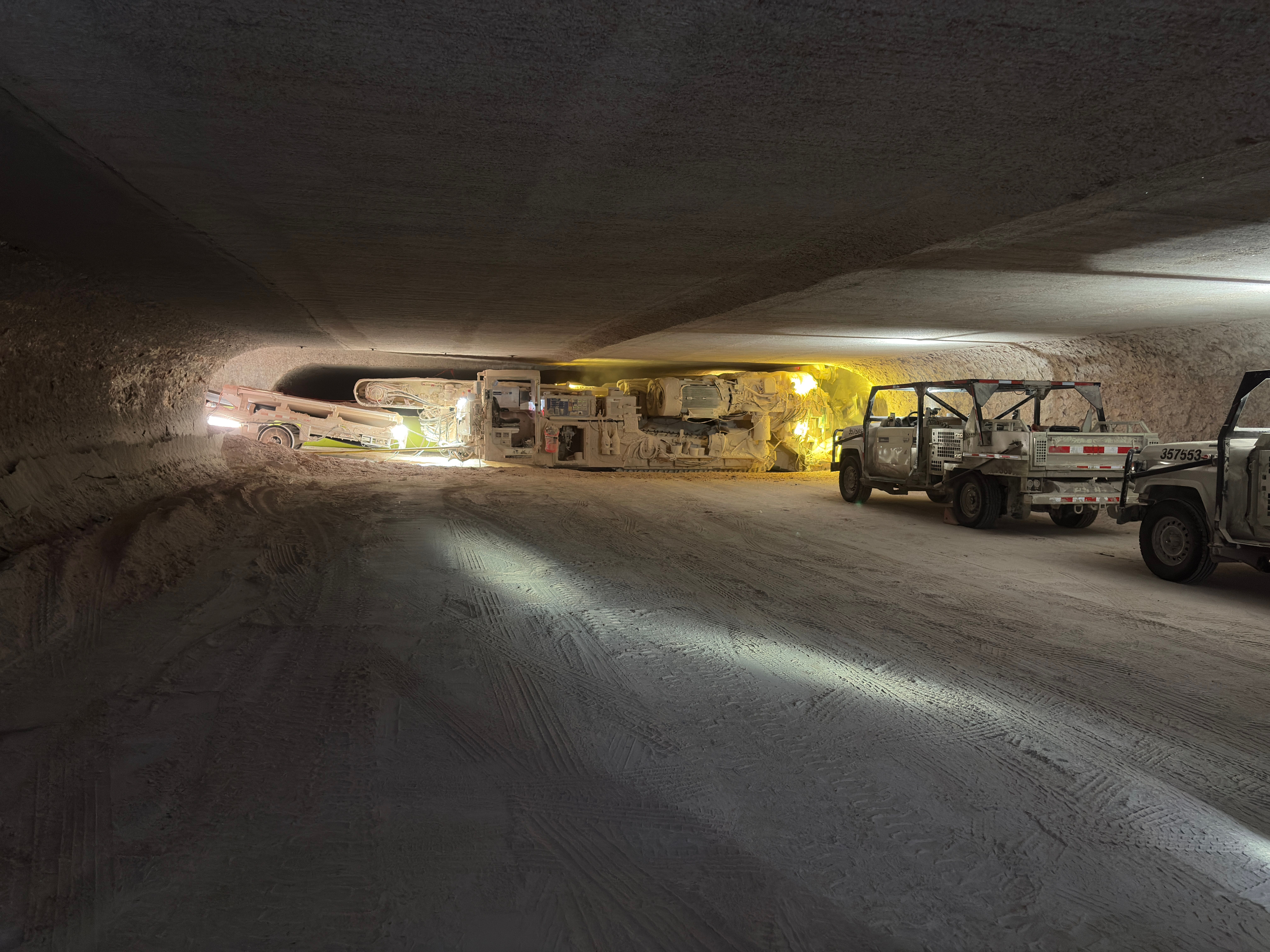
Pictured: The “Panther Miner” boring machine at Nutrien’s Rocanville potash site
“We can turn on a boring machine, like our Panther miner, and our people can be 4,000 feet away from the mine face,” Paul says. “We’re able to advance further, more efficiently, with the same number of people.”
At Cory, innovation continues at the mine face. The belt cart – a remote-controlled system used to install and maintain conveyor belts – has improved both efficiency and safety.
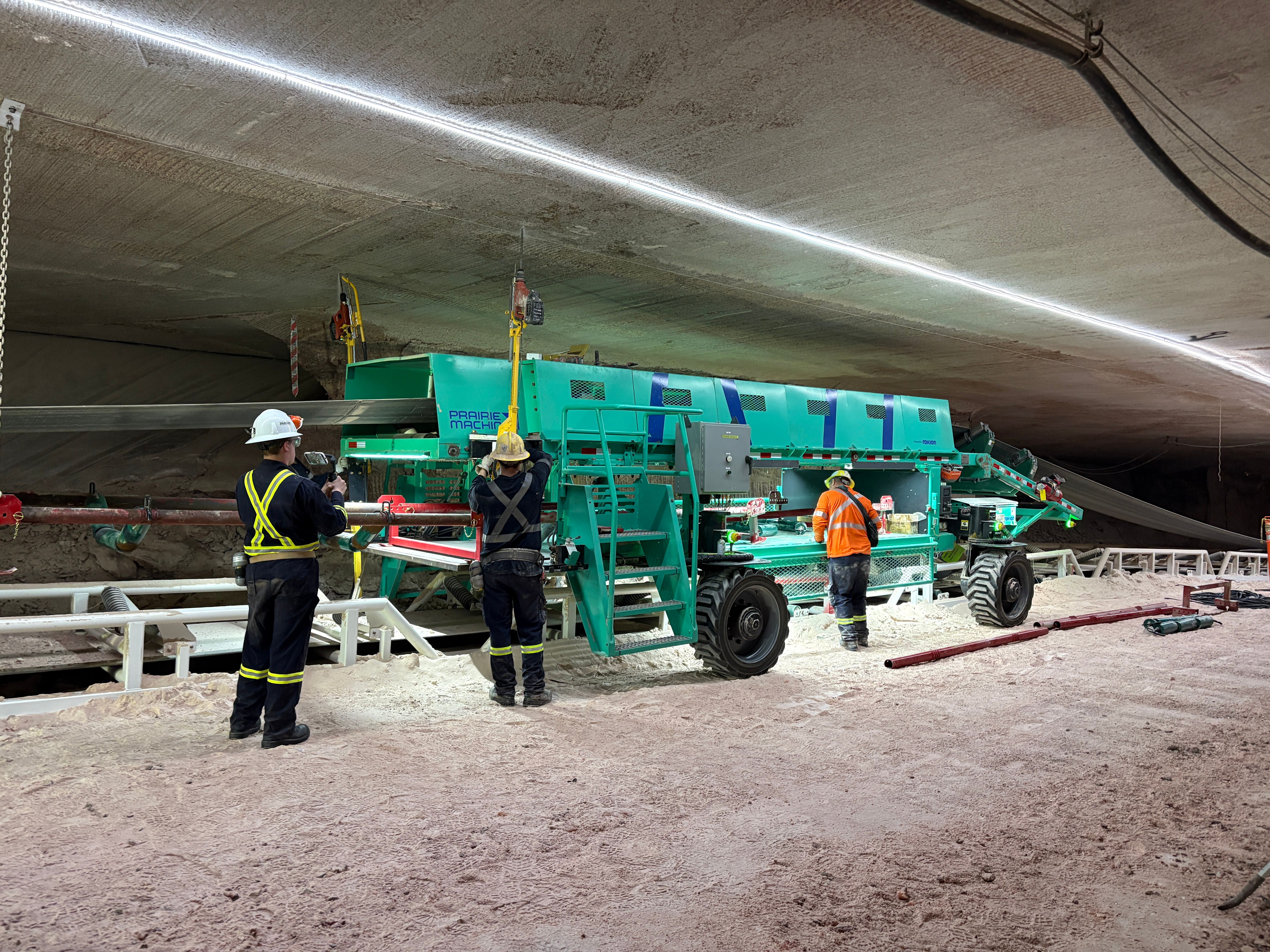
Pictured: Nutrien crew works on belt cart at Cory potash site
“The belt cart has been a game changer for us,” says Melanie Stare, Mine Operations Superintendent at Cory potash site. “We can build hardware on the panel belt without shutting down operations, and it’s much more ergonomic. Our frontline teams have been heavily involved in shaping it, and there’s real pride in developing something that’s improving how we work.”
Innovation extends beyond equipment. Teams are also using pilot and simulation environments to test new processes, refine systems and model how changes will perform before they’re implemented at full scale, bringing new ideas into operations more safely and efficiently.
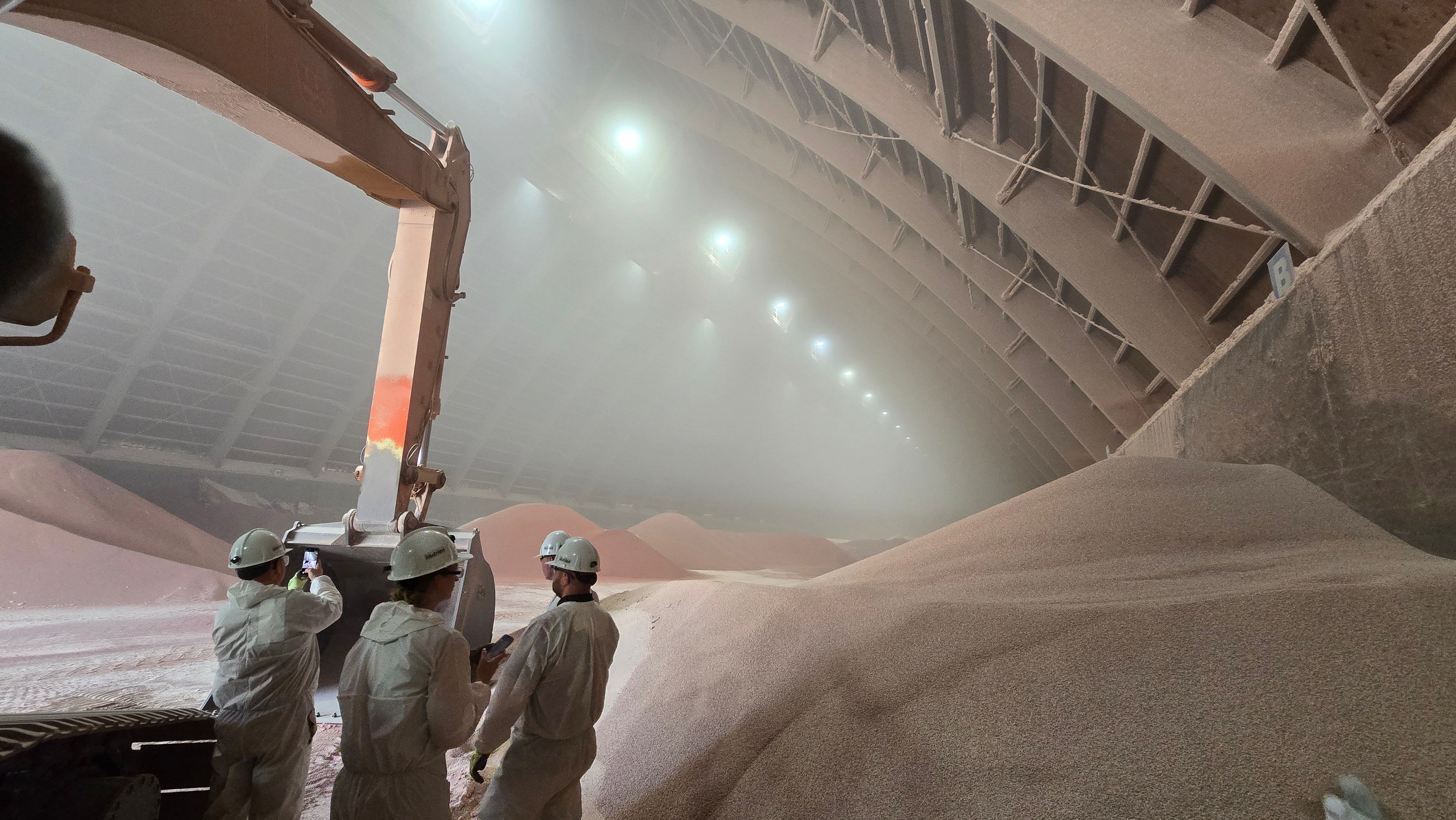
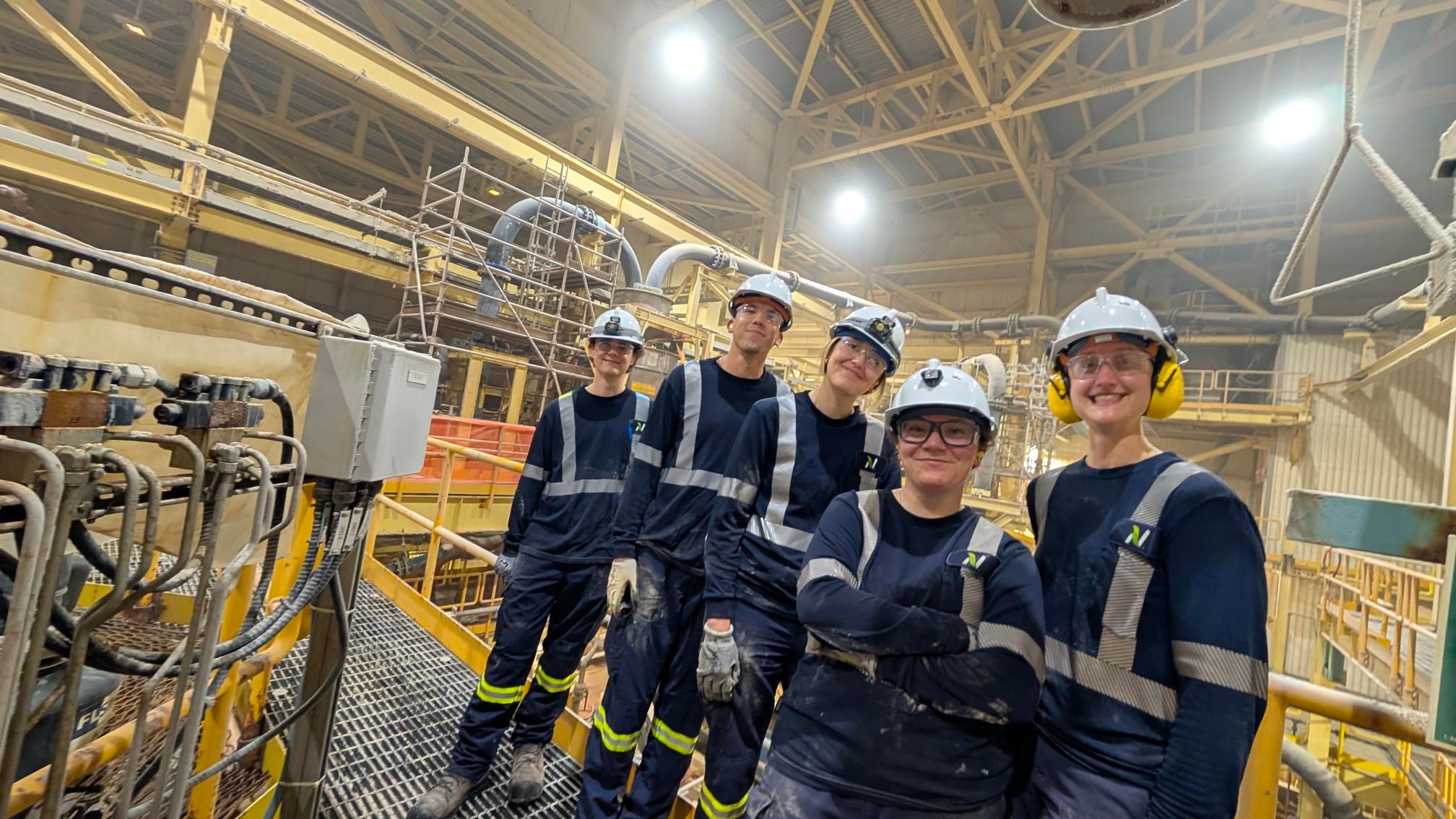
Pictured: Tour group at Nutrien’s Cory potash site
From a distance, it’s easy to miss the scale of what takes place every day to keep potash moving and transforming into crop inputs farmers depend on.
But the impact doesn’t stop at mine to mill.
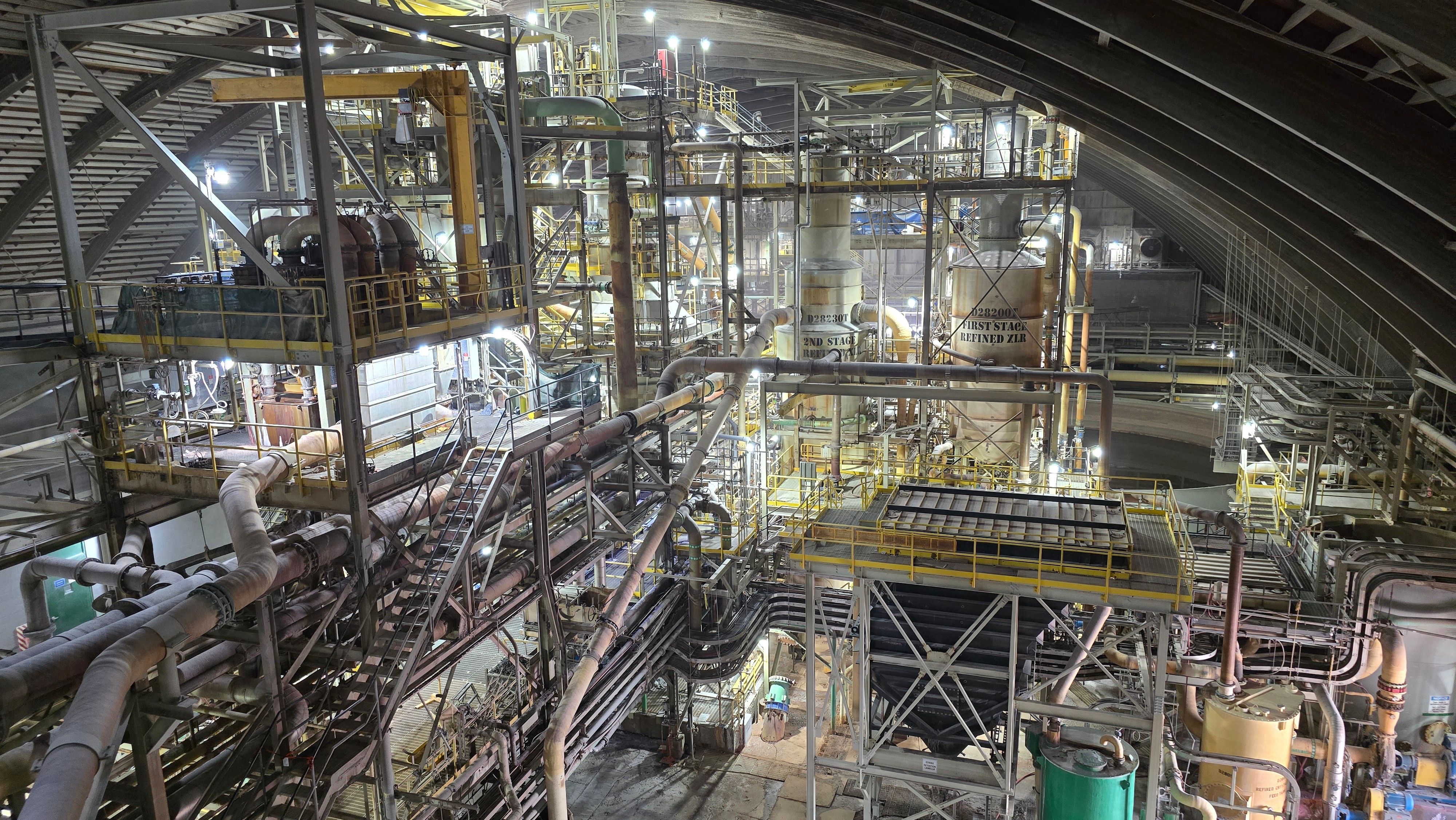
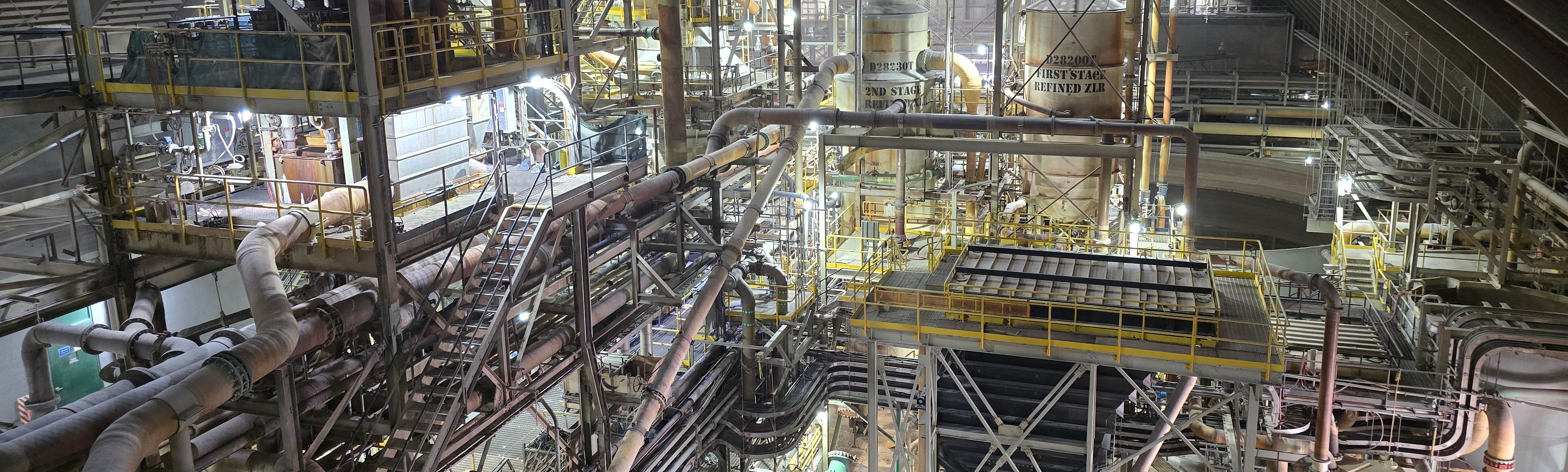
Pictured: Inside the mill at Nutrien’s Cory potash site
“People tend to forget about the wider network of supply chains, vendors, small and mid-sized businesses connected to this industry and to Nutrien,” says Jason. “The impact in terms of jobs, incomes, and opportunities is significant, and it’s incredible to see where it all begins.”
“Our six mines reflect the strength of Saskatchewan’s potash sector and the people behind it,” says Trevor Berg, Senior VP, Upstream Potash and Phosphate Operations at Nutrien. “Every tonne we produce supports farmers around the world while contributing to jobs, local investment and economic growth, and we are proud to be part of that work.”
Modern, safe, innovative, ever evolving and deeply connected to communities in Saskatchewan and beyond – that is how Nutrien operates today and looks toward feeding the future.
Related stories