The Woman Behind the Crop That Didn’t Fail
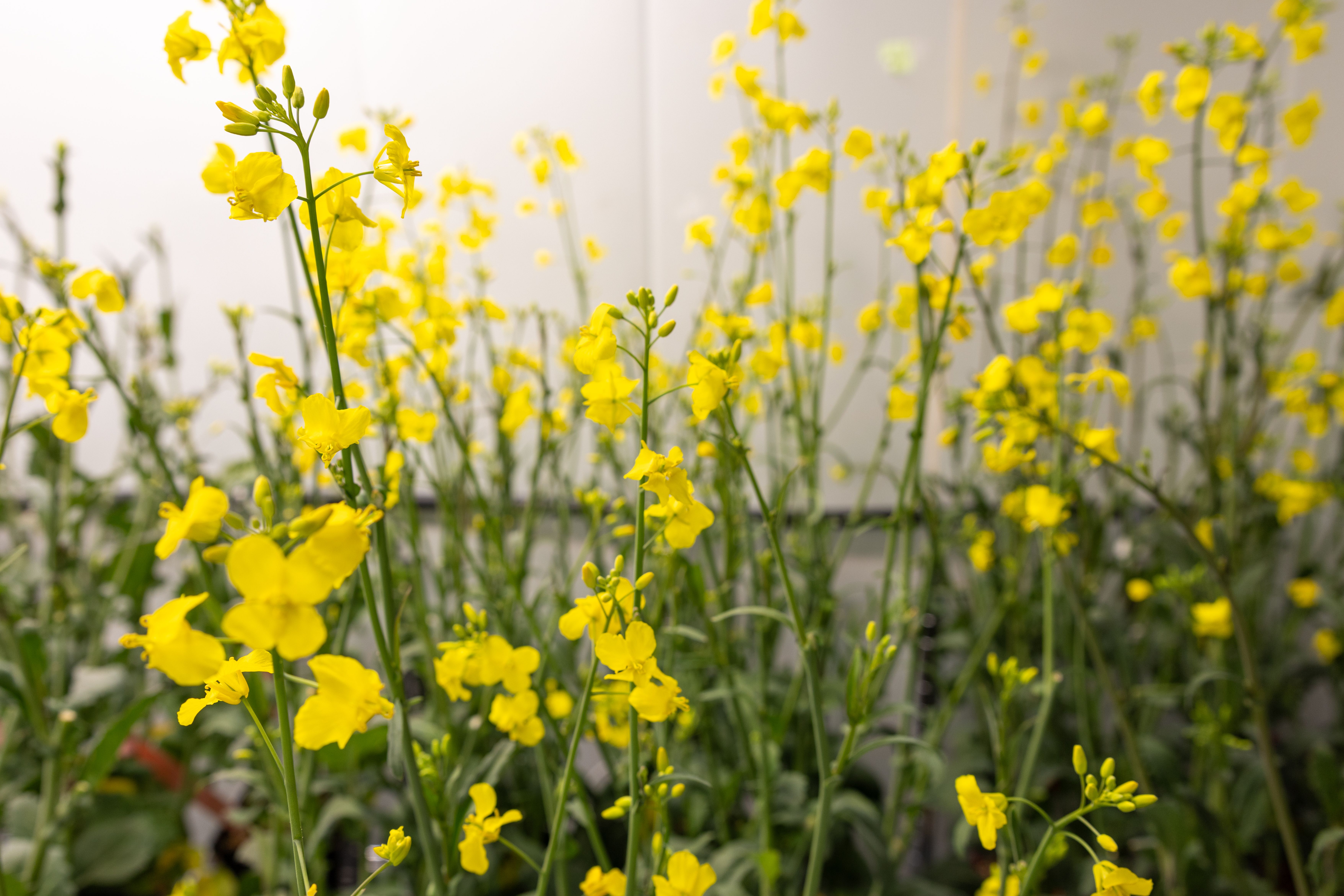
If a canola field collapses, the loss is impossible to miss — rows of bright yellow flowers flattened, livelihoods on the line.
If it doesn’t, there’s no moment. No headline. Nothing to point to and say why.
Behind those standing crops, year after year, is the kind of work most people never see.
For more than three decades, Coreen Franke has helped farmers stay one step ahead of crop disease.
That work recently earned Coreen, Manager of Pathology Research, recognition as one of Canada’s Influential Women in Agriculture for 2026.
A career that took an unexpected path
Born and raised in Saskatchewan, Coreen didn’t set out to work in agriculture — or even plant pathology.
As a kid, she imagined a future working with wildlife.
“I was going to save the environment — save the wolves and the ducks,” she says.
But like many careers, hers evolved over time.
After studying biology and prairie ecology, she found her way into agriculture — first through entomology, and then into plant pathology, where she joined Nutrien Ag Solutions in the mid‑1990s.
“I thought, well, how hard could that be?” she says with a laugh.
Today, more than three decades later, she continues to help shape how the industry approaches one of its most persistent challenges: crop disease.
Work that protects what farmers depend on
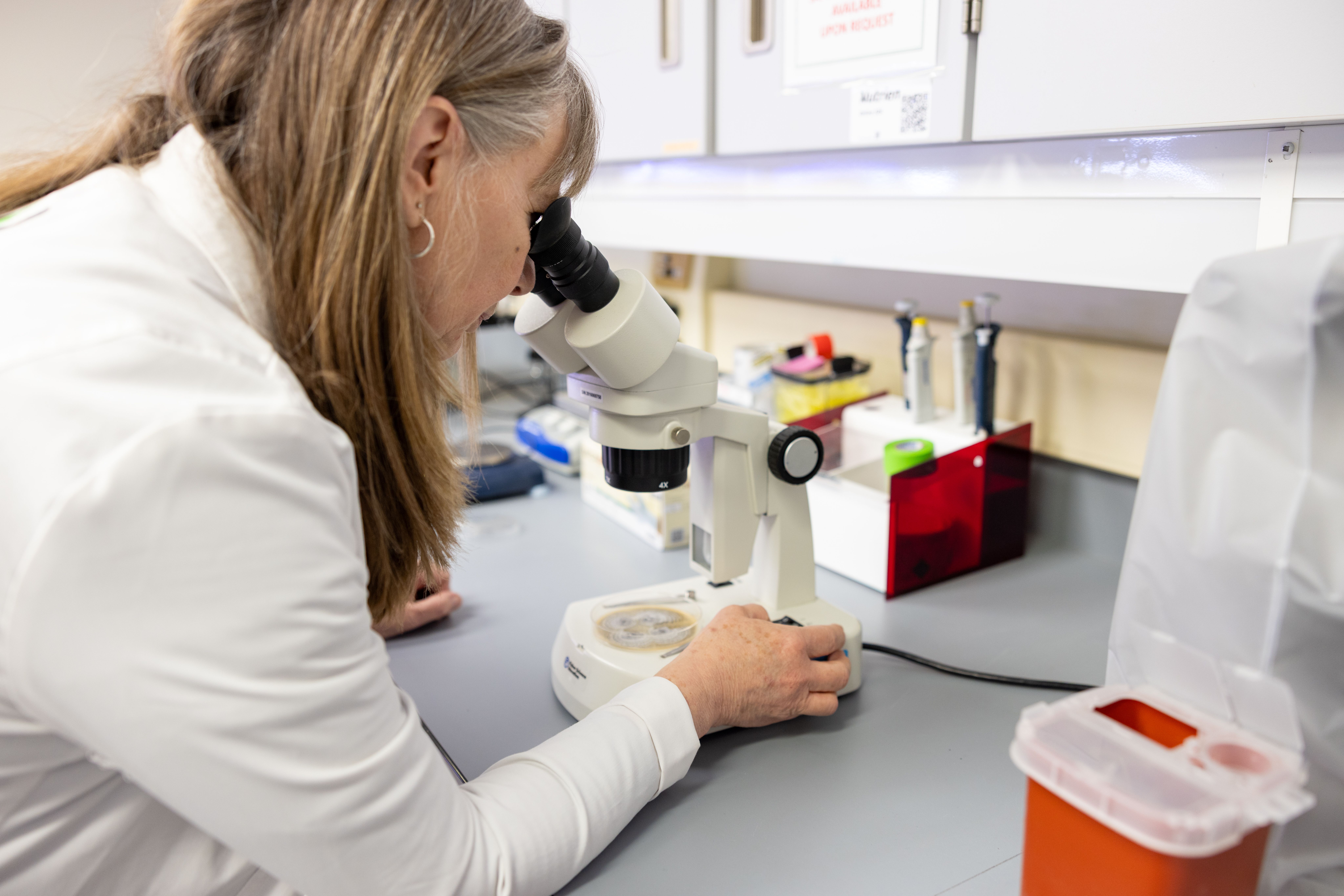
At its core, her work is about helping farmers protect their crops — and their livelihoods.
“Disease resistance equals yield protection,” she explains. “That’s basically what it comes down to.”
Farmers can plant the highest‑yielding varieties with all the best traits. “But when it’s put in the field, if it gets sick and falls flat, none of that is going to matter.”
From developing disease-resistant canola varieties to helping guide how those traits are used, Coreen’s work plays a critical role in helping farmers make confident, informed decisions.
A constantly evolving challenge
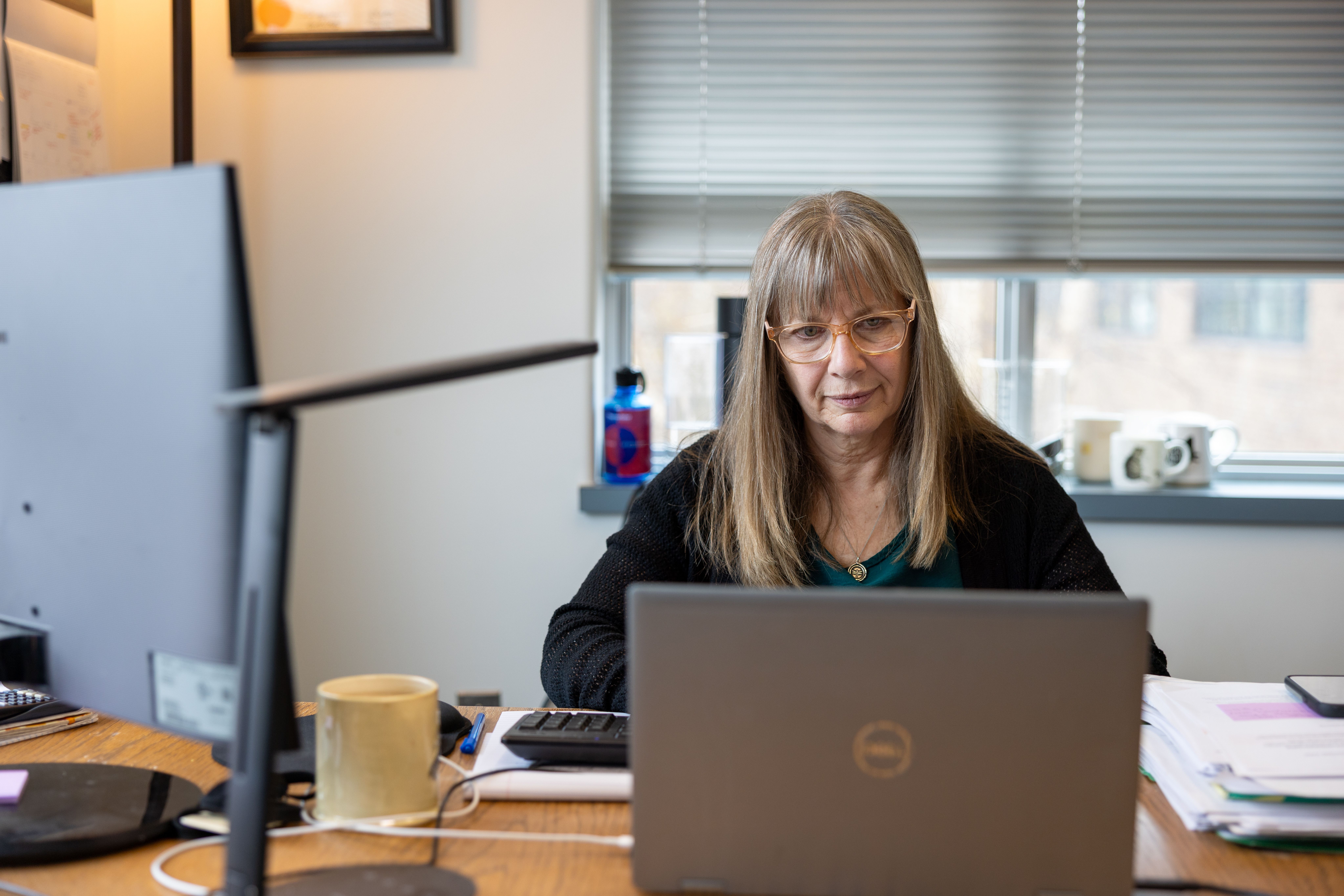
Plant disease is not static.
Pathogens evolve. Environmental conditions shift. New threats emerge.
“There’s always something to work on,” she says.
And solutions rarely come quickly or easily.
“I think people assume industry will just fix it, but it’s not that straightforward.”
Instead, the work involves long-term thinking — developing solutions that not only address today’s challenges, but anticipate what could come next.

Connecting science to real-world decisions
Over time, Coreen’s role has grown beyond research alone.
“I see myself as a bridge between industry and academia,” she says.
Her work helps translate scientific discovery into practical tools farmers can use in the field.
That includes contributing to industry standards, collaborating across organizations, and helping ensure disease-resistance claims are clear, accurate and grounded in science.
“What’s true, what’s honest, what makes the most sense — and what’s going to be most durable — that’s what matters.”
Built on teamwork and consistency
While recognition often focuses on individuals, Coreen is quick to point to the team around her.
At Nutrien’s canola seed breeding facility in Saskatoon, that team has spent years working together to improve how crops withstand disease.
Some have worked alongside her for more than 20 years.
“We have a really great team here. We’re all very proud of what we do.”
Their work is built on steady progress — through research, collaboration, and the shared goal of supporting farmers.
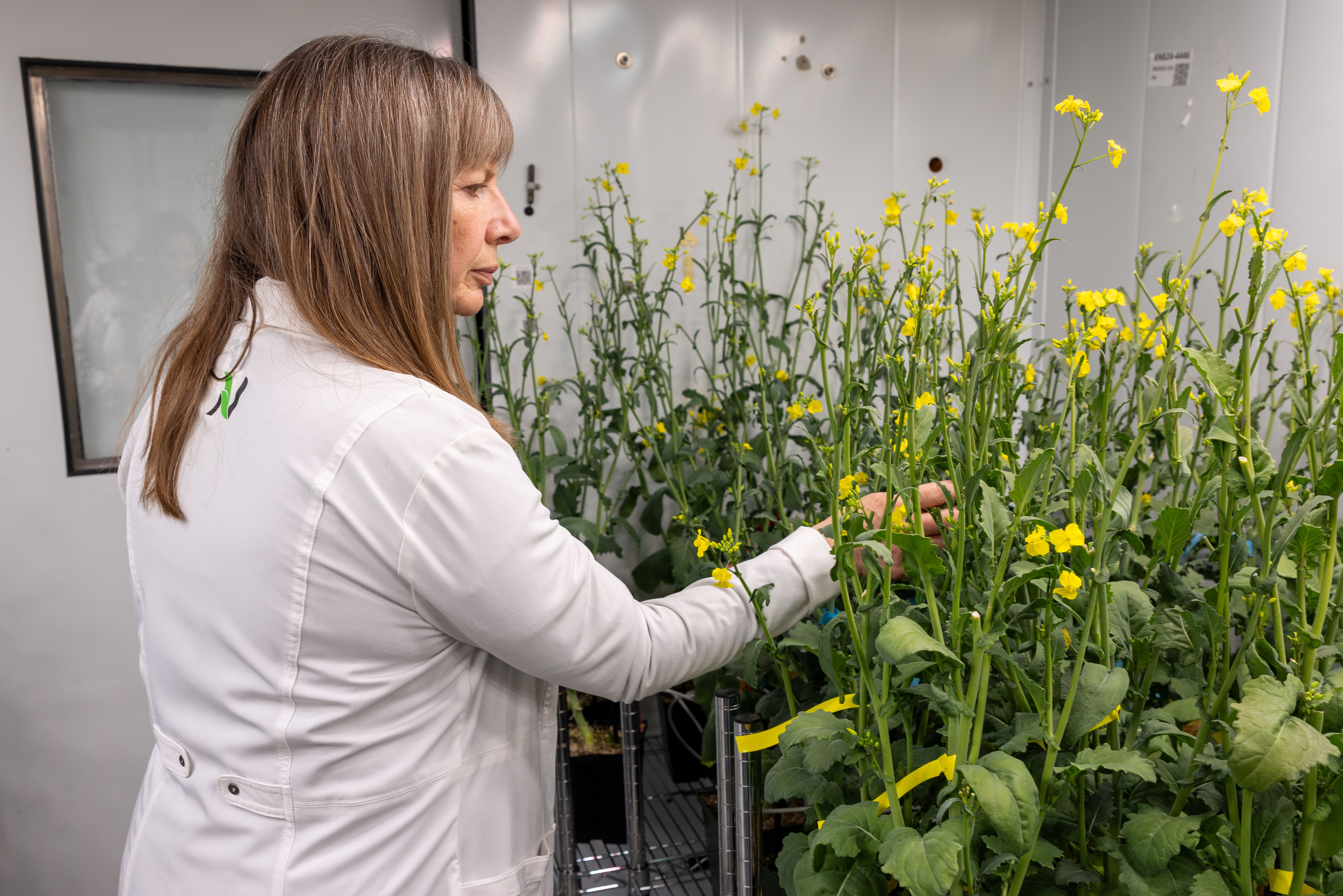
"When we get those resistant ones,” she says. “That’s what makes a difference for farmers — and that’s the best feeling.”
Recognition that reflects the work behind the scenes
Being named one of Canada’s Influential Women in Agriculture wasn’t something Coreen expected.
“A total surprise,” she says.
But the recognition reflects more than a single moment — it speaks to a career focused on doing the work the right way.
“I truly care about my job. I truly care that what’s on a bag is what’s in that bag, and that farmers can depend on that.”
For her, it’s not about visibility. It’s about knowing the work — and the standards behind it — hold up.
A difference you don’t always see
For most people, the impact of this work isn’t immediately visible.
There’s no obvious moment when it shows up.
But across fields, across seasons, and across thousands of decisions, it adds up.
And sometimes, the clearest sign it’s working is the absence of anything going wrong.
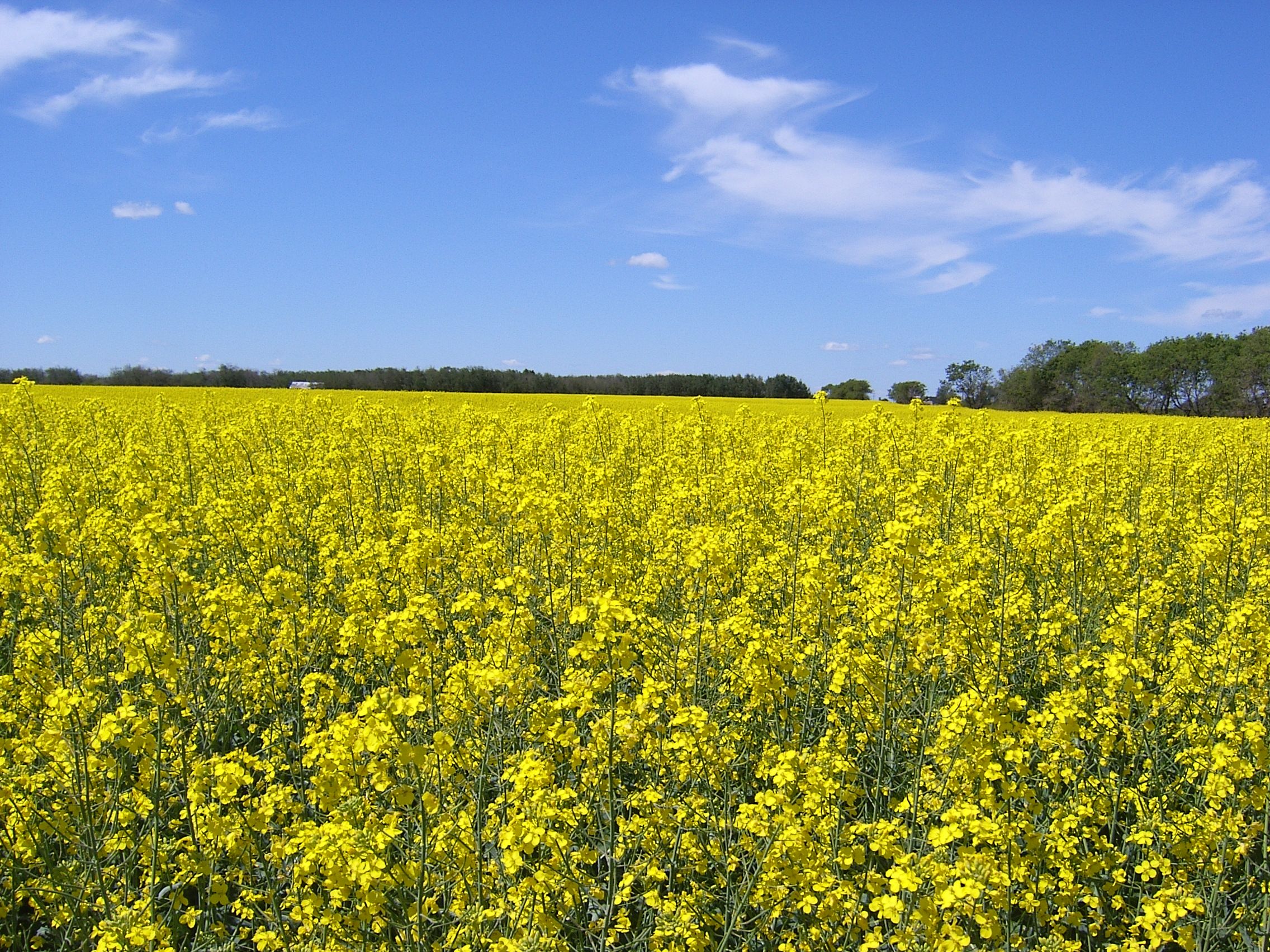
No failure. No headline. Just fields of yellow that stay standing.
Related stories