From internship to career: Finding your footing underground
When Mila Szautner started university, she wasn't even enrolled in engineering.
Fresh out of high school during the uncertainty of the pandemic, she chose Arts and Science while deciding what came next.
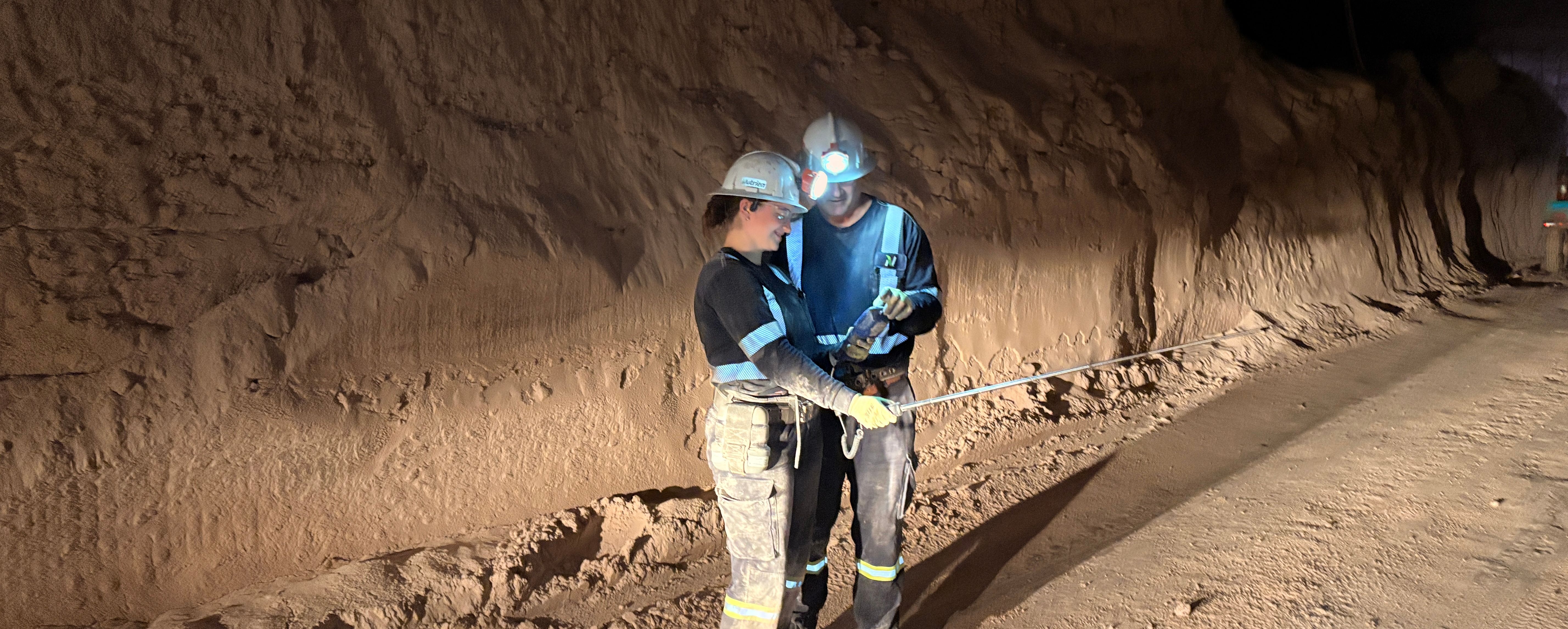
Today, she's a Mine Engineer-in-Training at Nutrien's Cory potash mine, helping oversee ventilation planning. Less than three months into her full-time role, she is responsible for work that affects operations underground.
The path between those two points wasn't something she had mapped out from the beginning.
In fact, mining wasn't really on her radar at all.
Discovering a path
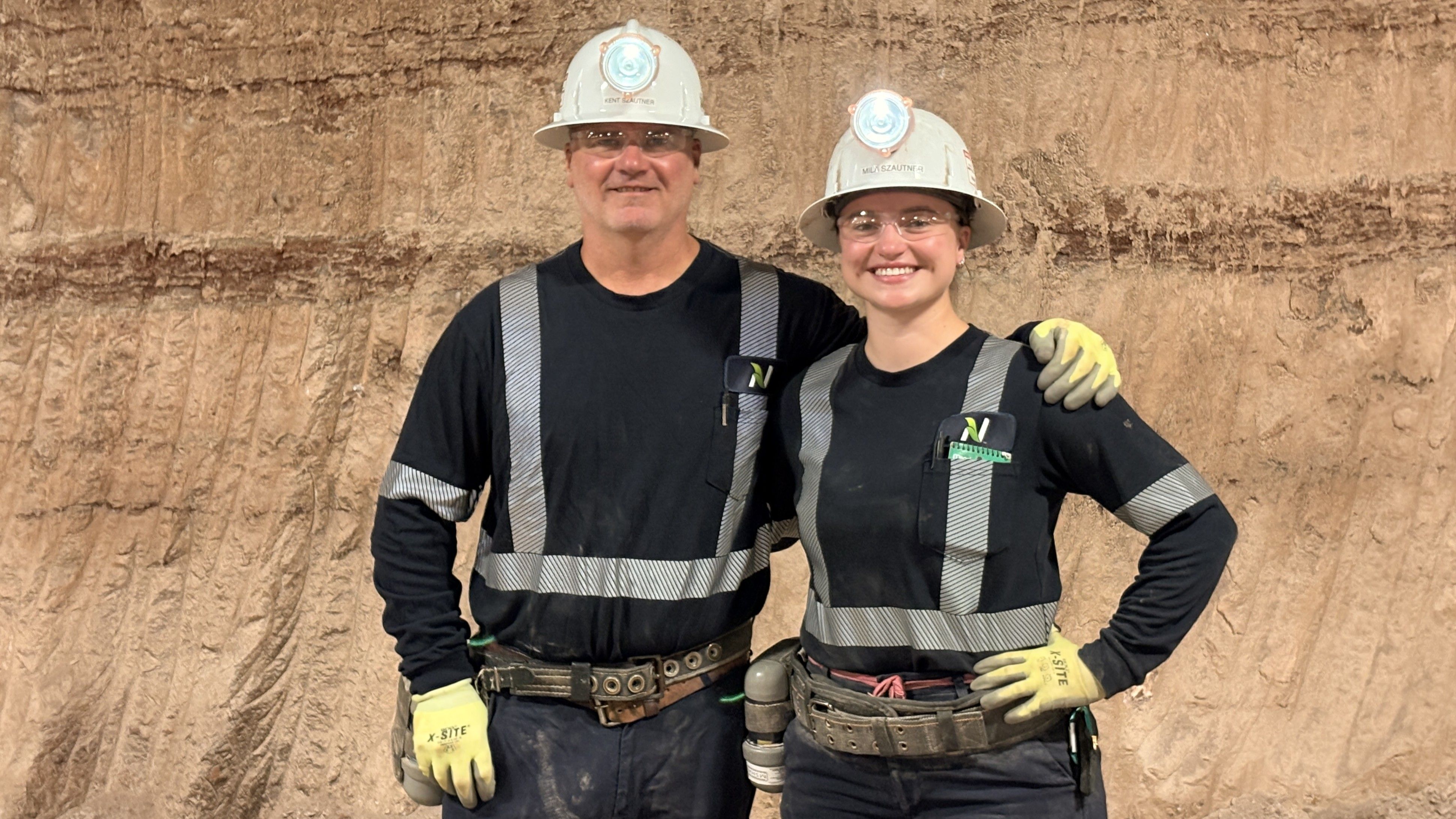
Growing up in Saskatchewan, Mila knew her father worked at Cory. What he actually did there was less clear.
"I never really knew much about his work," she says. "I knew he wasn't actually mining. He showed me his office in Grade 9 and he showed me he uses Excel. I was like, 'Oh, he just works on Excel and stuff.'"
As she progressed through university, she found herself drawn to engineering because of its emphasis on problem-solving and applying technical knowledge to real-world challenges.
The turning point came during a university session where students could explore different engineering disciplines.
Mining immediately stood out.
"I was looking for a career that would continuously challenge me," Mila says. "Mining seemed like the kind of place I could really find that."
Internships at Cory gave her a chance to see those challenges for herself.
“The earth doesn't want you down there," she says. "You're never not hitting some resistance."
For Mila, that challenge was part of the appeal.
Learning beyond the classroom
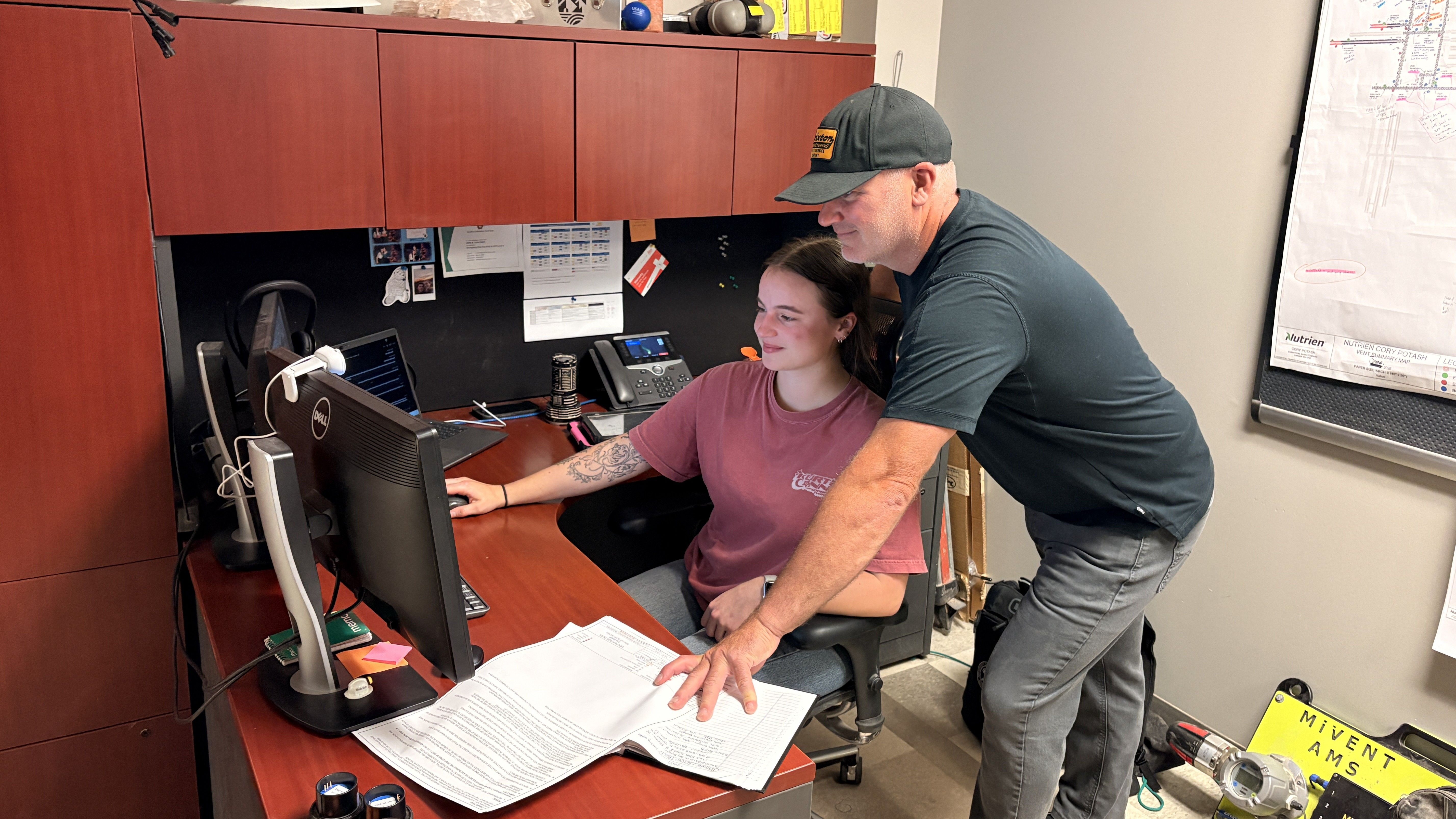
While university provided the technical foundation, Mila quickly discovered some lessons can only be learned on the job.
Through multiple work terms at Cory, she gained exposure to the realities of underground mining and how engineering concepts come together in a working operation.
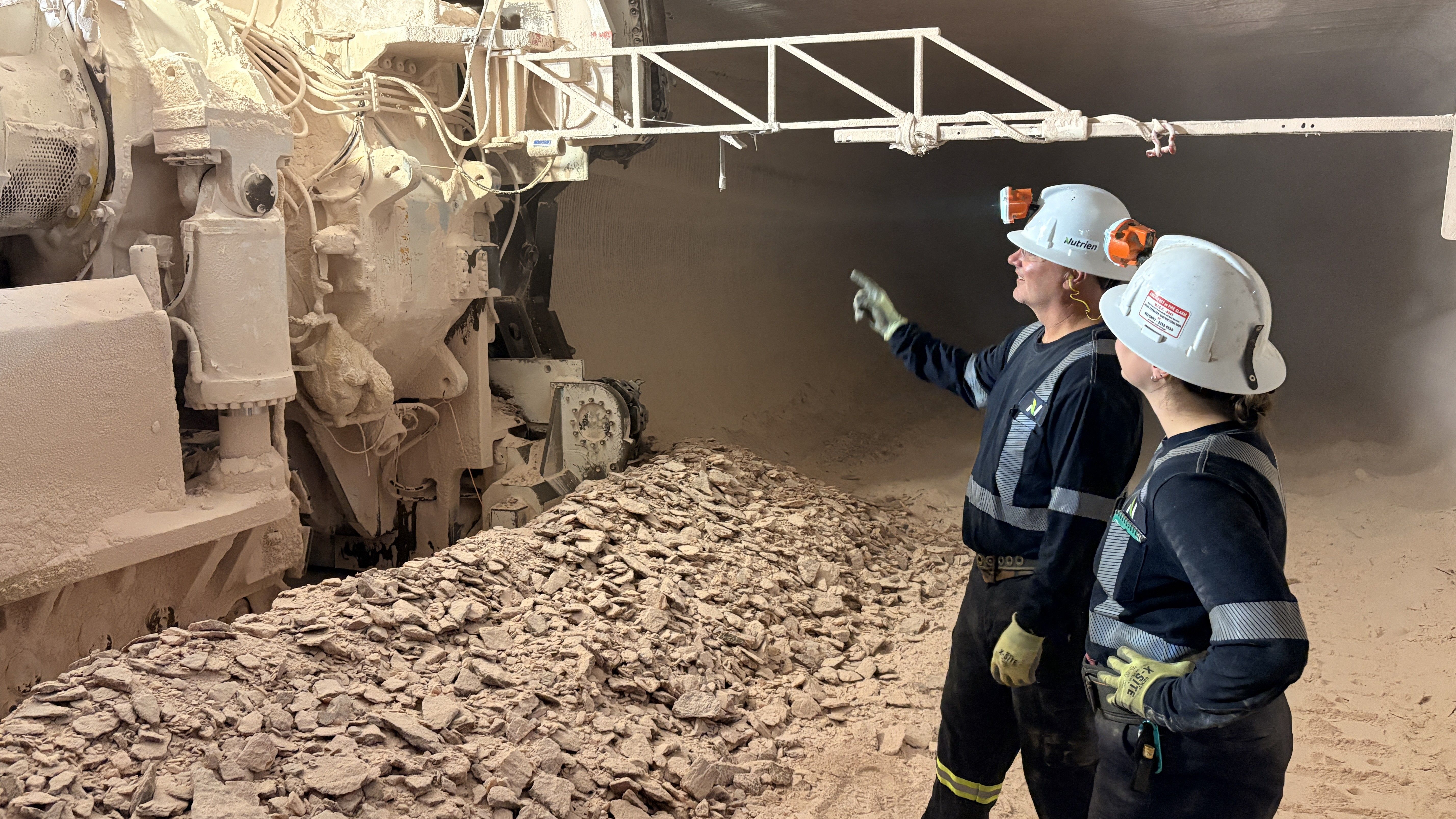
She spent time underground, worked alongside employees from different disciplines, and learned the language, processes and practical realities that aren't easily taught in a classroom.
More importantly, she discovered a workplace where she could picture herself building a career.
Building a reputation
The transition from student to employee came with one unusual wrinkle.
Long before Mila joined Cory full-time, employees already knew the Szautner name.
Her father, Kent, has worked at the mine for more than 16 years. Early on, that connection occasionally sparked conversations when people noticed the name on her hard hat.
But as her internships progressed, people began recognizing her for the work she was doing herself.
"They recognized me as my own individual worker, not like, 'Oh, that's Kent's daughter,'" she says.
That shift mattered.
The internships didn't just help her learn the operation. They gave her an opportunity to build relationships, gain confidence, and establish her own reputation.
Each time she returned from university, she found herself reconnecting with people who remembered her, knew her work and were glad to see her back.
By then, Cory no longer felt like the place where her father worked.
It felt like the place where she did.
Turning internships into a career
Each internship built confidence and expanded Mila's understanding of the operation.
What began as a student opportunity eventually turned into a full-time role after graduating from the University of Saskatchewan.
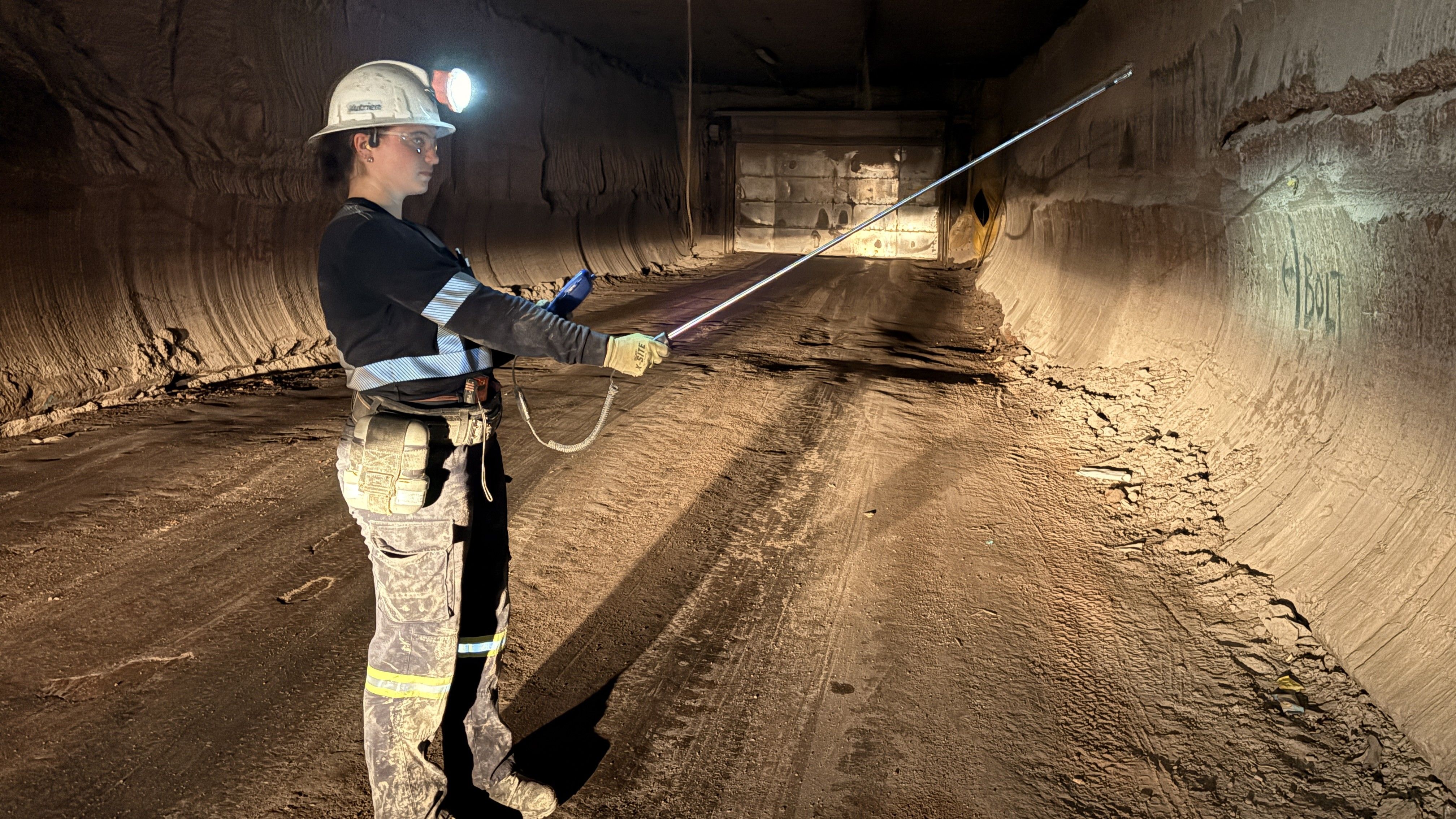
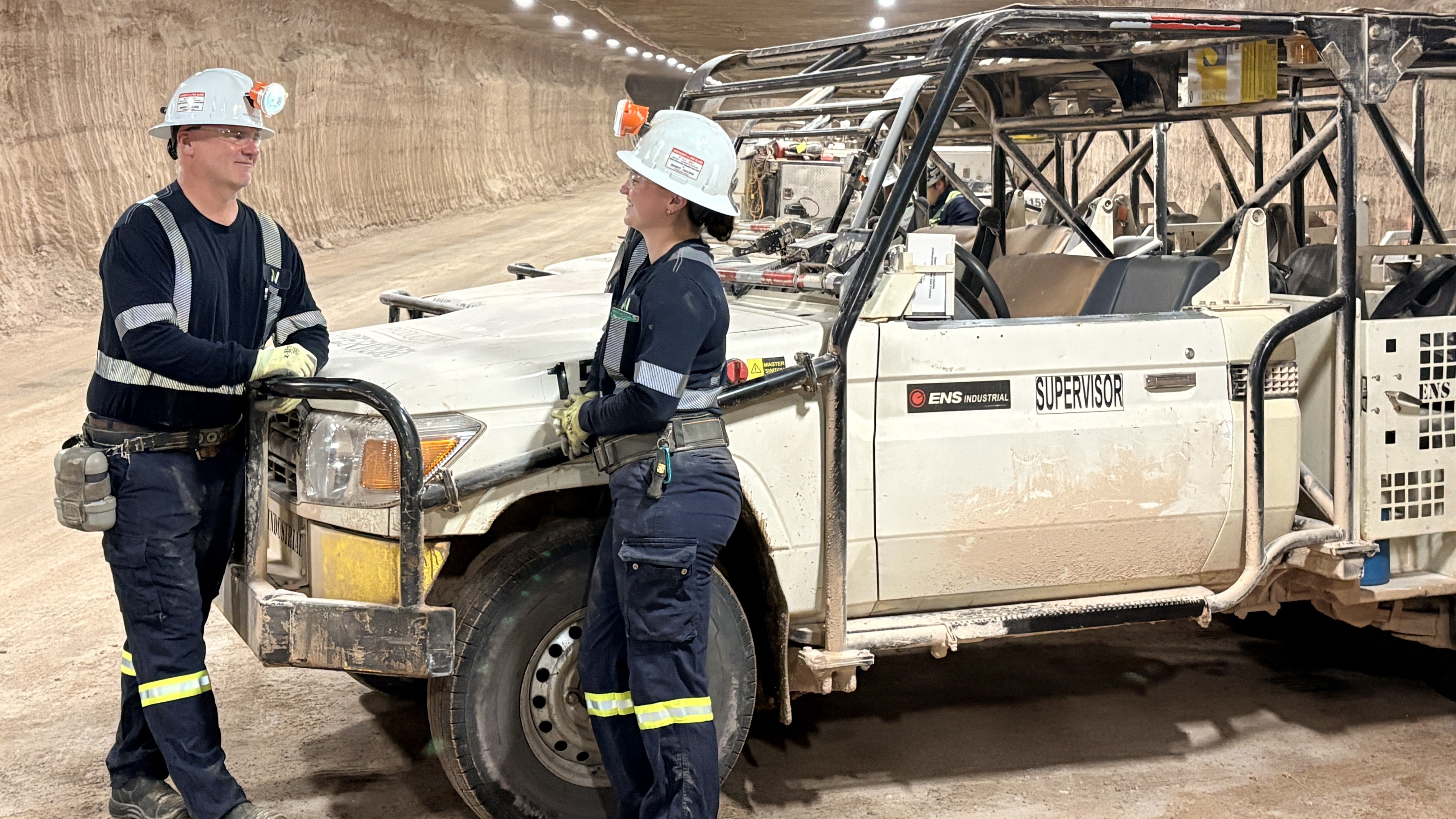
In her current role, she supports ventilation planning at Cory, a role that provides exposure to many areas of the operation and requires regular collaboration across teams.
She’s already taking on responsibilities that once belonged to more experienced employees.
She’s reviewing plans.
She’s making decisions.
And now she'sthe one assigning work to students.
"The biggest adjustment is taking on more responsibility," she says. "My name is on these plans that are being executed now."
For a young engineer, it'sconfirmation that she is no longer simply learning how the operation works.
She's beginning to own it.
Why early-career experience matters
Looking back, Mila believes her work terms played a critical role in helping her understand what a career in mining actually looks like.
The internships allowed her to apply classroom learning, build relationships, and explore opportunities across the operation. They also gave her confidence that mining was the right fit.
Today, she encourages students to remain open-minded about where an engineering degree can take them.
For her, a career path she never expected ultimately became the one she was most excited to pursue.
And it all started by trying something new.
"There's so much to learn still," she says. "I really only scratched the surface as a student."
It started with curiosity and grew through hands-on experience at Cory.
For Mila, that's what turned an internship into a career.
Explore where a career in mining could take you.Related stories