Why Agriculture Is Paying Attention to El Niño
A developing El Niño is drawing attention from growers and weather experts around the world.
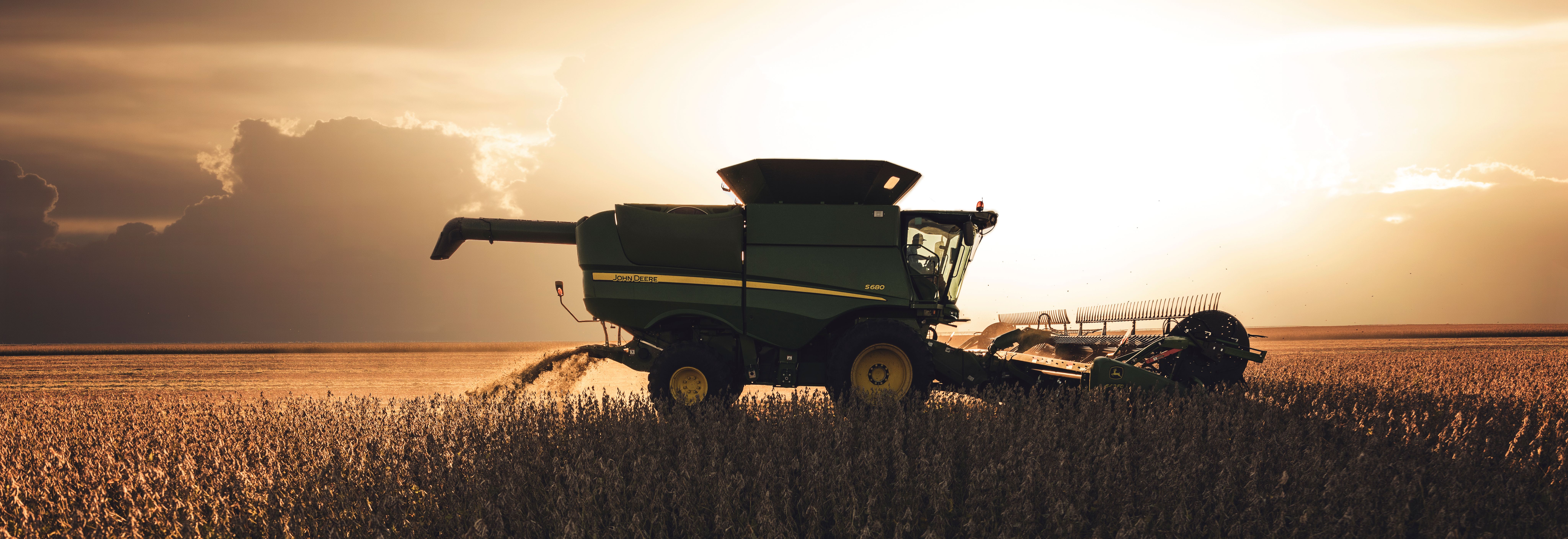
In parts of the U.S. Midwest, growers have historically lost about eight workable harvest days during El Niño years. With a typical harvest season offering only around 40 workable days, losing eight can mean tighter harvest windows, increased pressure to capitalize on favorable conditions and less room for weather-related delays.
It's one reason Nutrien's atmospheric science team is closely monitoring what could become one of the strongest El Niño events on record.
But if there's one thing Eric Snodgrass, Nutrien Principal Atmospheric Scientist, wants people to understand, it's that El Niño is not a weather remote control.
"There's a connection, but it's just not a one-to-one," he says. "Maybe El Niño controls 40 to 50 percent of it. The rest comes down to a lot of other factors."
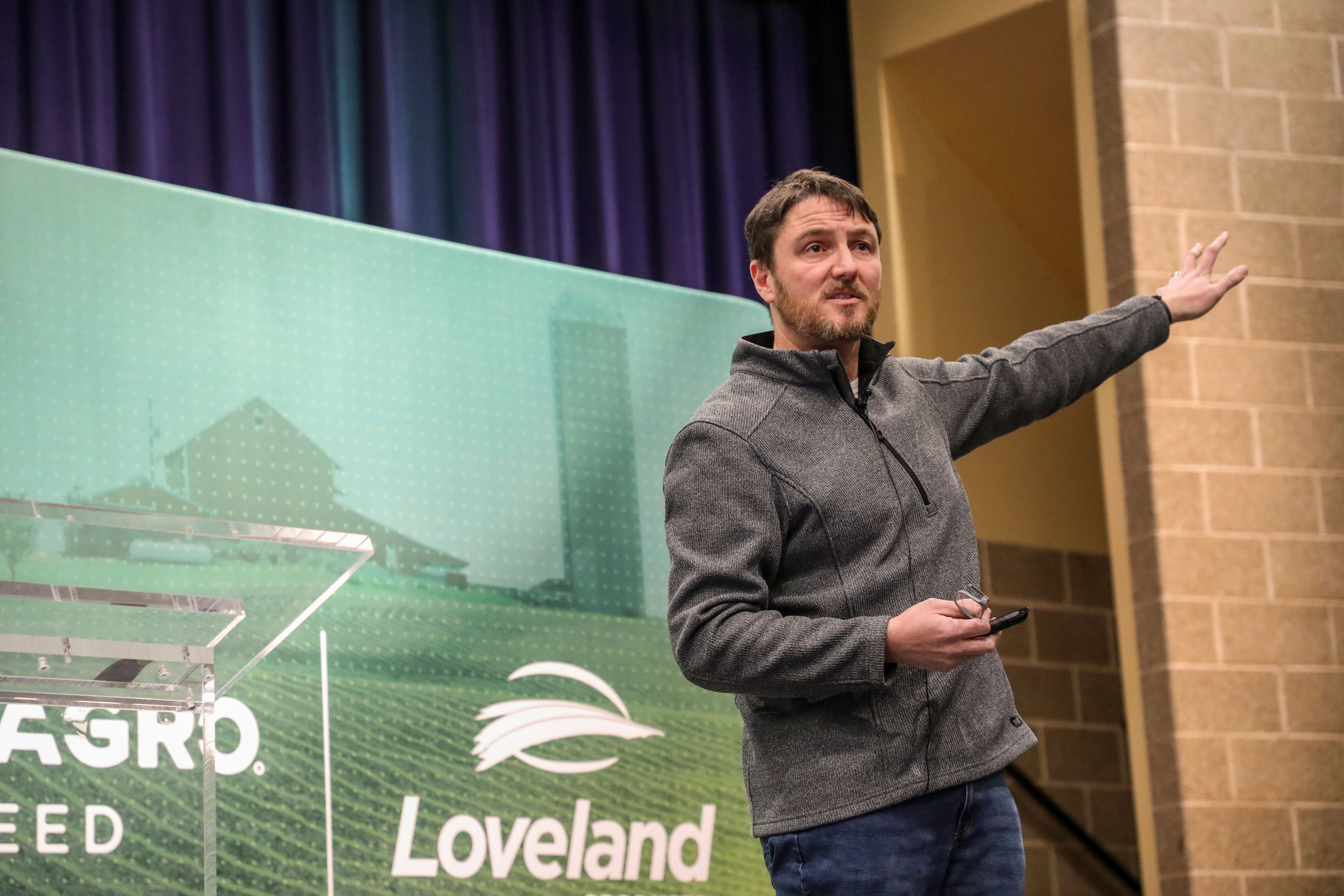
Pictured: Eric Snodgrass, Nutrien Principal Atmospheric Scientist
A Climate Pattern with Global Reach
El Niño occurs when ocean temperatures in the central tropical Pacific become warmer than average. While those waters may be thousands of miles away from many growing regions, they can influence weather patterns around the world.
"El Niño is effectively warmer-than-average ocean water in the central tropical Pacific," says Matt Reardon, Nutrien Senior Atmospheric Scientist.
"Why do we care about warm water 8,000 or 10,000 miles away? Because it affects where thunderstorms form, which helps determine the position of the jet stream. Anything that changes the jet stream becomes important for predicting weather across North America."
The important distinction, Matt says, is that El Niño influences the odds. It doesn't determine the outcome.
Its impacts can extend beyond North America, affecting agricultural production, water supplies and weather risks across regions including South America, Australia and Southeast Asia.
"It's not this end-all, be-all silver bullet where we can say exactly what's going to happen. But it can give us a leg up on which way the pattern is headed."

Pictured: Matt Reardon, Nutrien Senior Atmospheric Scientist.
Why Agriculture Pays Attention
Weather influences nearly every aspect of agriculture, from planting and nutrient applications to harvest, logistics and transportation.
Harvest is one of the clearest examples. El Niño tends to increase the odds of a wetter fall across parts of the U.S. Midwest, potentially reducing opportunities to work in the field.
"We need time in the field," he says. "If soils are wet or crops haven't dried down enough, you're waiting around. Then you can wait too long, run into another rain event and lose another week. The tighter harvest windows increase the urgency to run those combines when you can."
Beyond harvest, experts are monitoring drought conditions, western U.S. water supplies, Mississippi River transportation corridors and South American crop production, all of which can influence agricultural markets.
Matt recently returned from Australia, where El Niño receives particularly close attention.
"Given their proximity to those Pacific Ocean temperatures and currents, it matters more for them," he says.
Historically, El Niño has increased dryness risks across parts of Australia and Southeast Asia, with potential implications for crops including wheat, rice, palm oil and coffee.
Looking Ahead
While many of this El Niño's most significant impacts remain to be seen, it is already one of the most influential climate patterns shaping the months ahead.
That is why Nutrien's atmospheric science team focuses not only on forecasting, but on helping customers understand what those forecasts may mean.
"El Niño gives us a playbook," Matt says. "It's not going to tell us exactly what's going to happen, but it helps us better understand the possibilities."
Related stories