How Nutrien is helping one-hectare farmers in Southern Africa get more from the land
A grower in Zimbabwe had already made up his mind.
The previous season, he'd participated in a field trial involving Nutrien proprietary products. His field produced more. The quality improved. When he learned the product wouldn't be available the following season, he wasn’t ready to let it go.
He started looking for another way to get it.
"He knows this works," says Nicolas Vaio, Sr. Manager, Regional Commercial Development for Nutrien.
For the grower, it was simple: "This is giving me more money."
For Nicolas, that response said more than any presentation slide, yield chart or trial report could.
Seeing farming from a different perspective
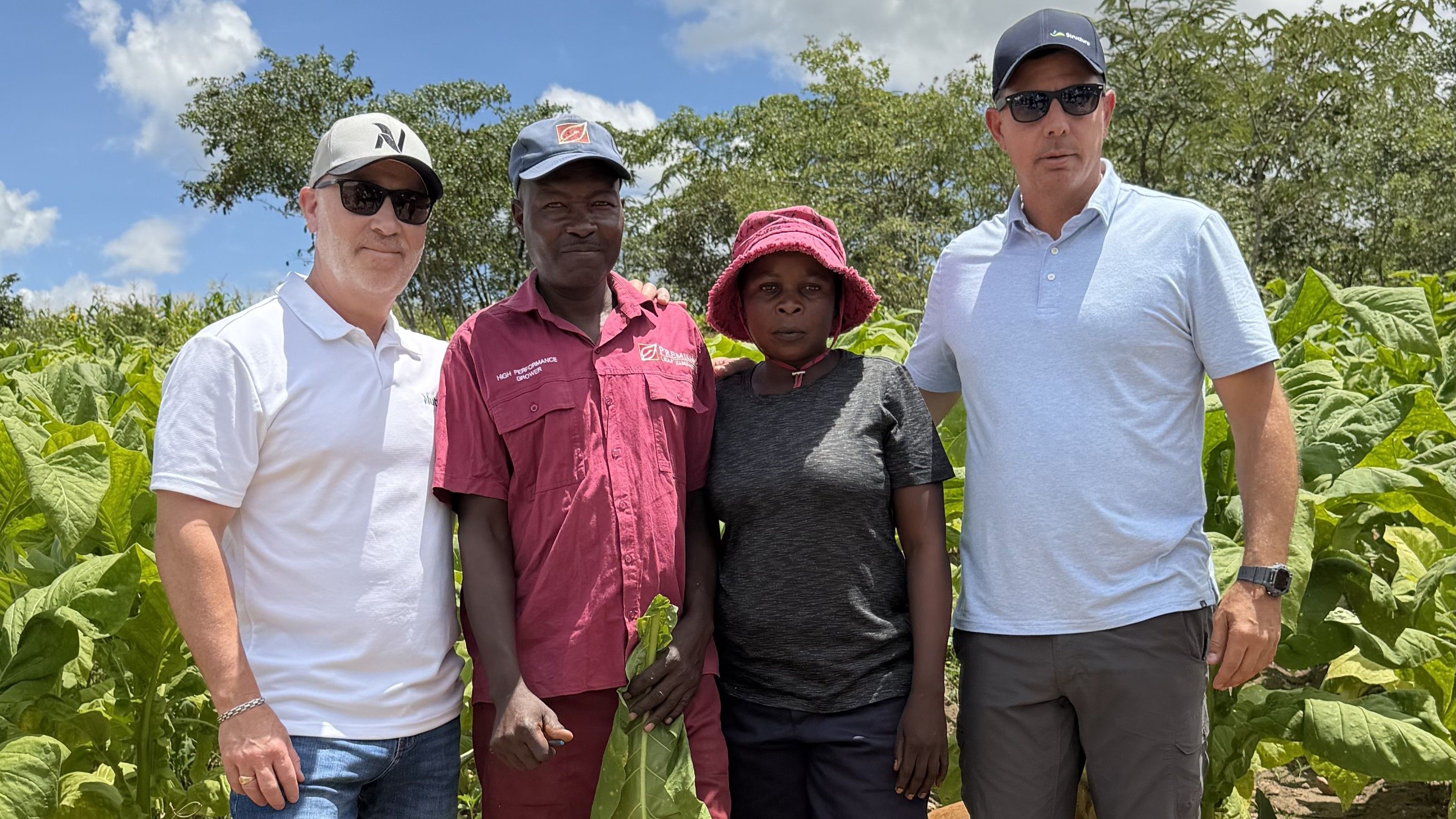
When Nicolas, who lives in Argentina, first travelled to Zimbabwe, he encountered a scale of agriculture very different from the large farms common across many of Nutrien's markets.
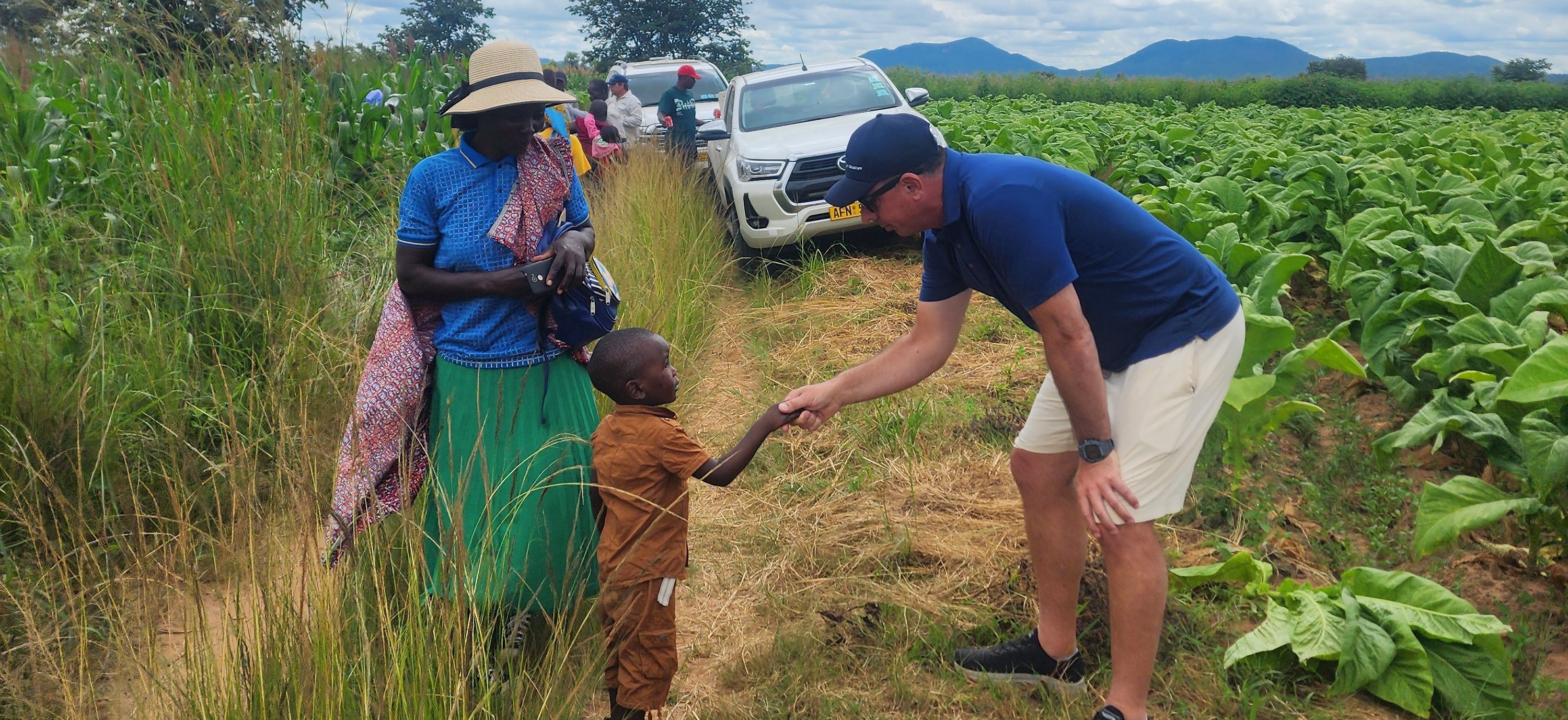
Many of the growers he visited farm just one hectare of land. Family members do much of the work by hand rather than with machinery.
What struck Nicolas was how eager growers were to learn and try new approaches when they could see a benefit in the field.
When he and his colleagues arrived at a field, word spread quickly.
"The whole community came to listen to us," Nicolas says. "Kids, parents, grandparents, everyone."
Those visits weren't simply about introducing products. They were about understanding the challenges growers faced and testing whether a different approach to crop nutrition could help.
A difference growers could see
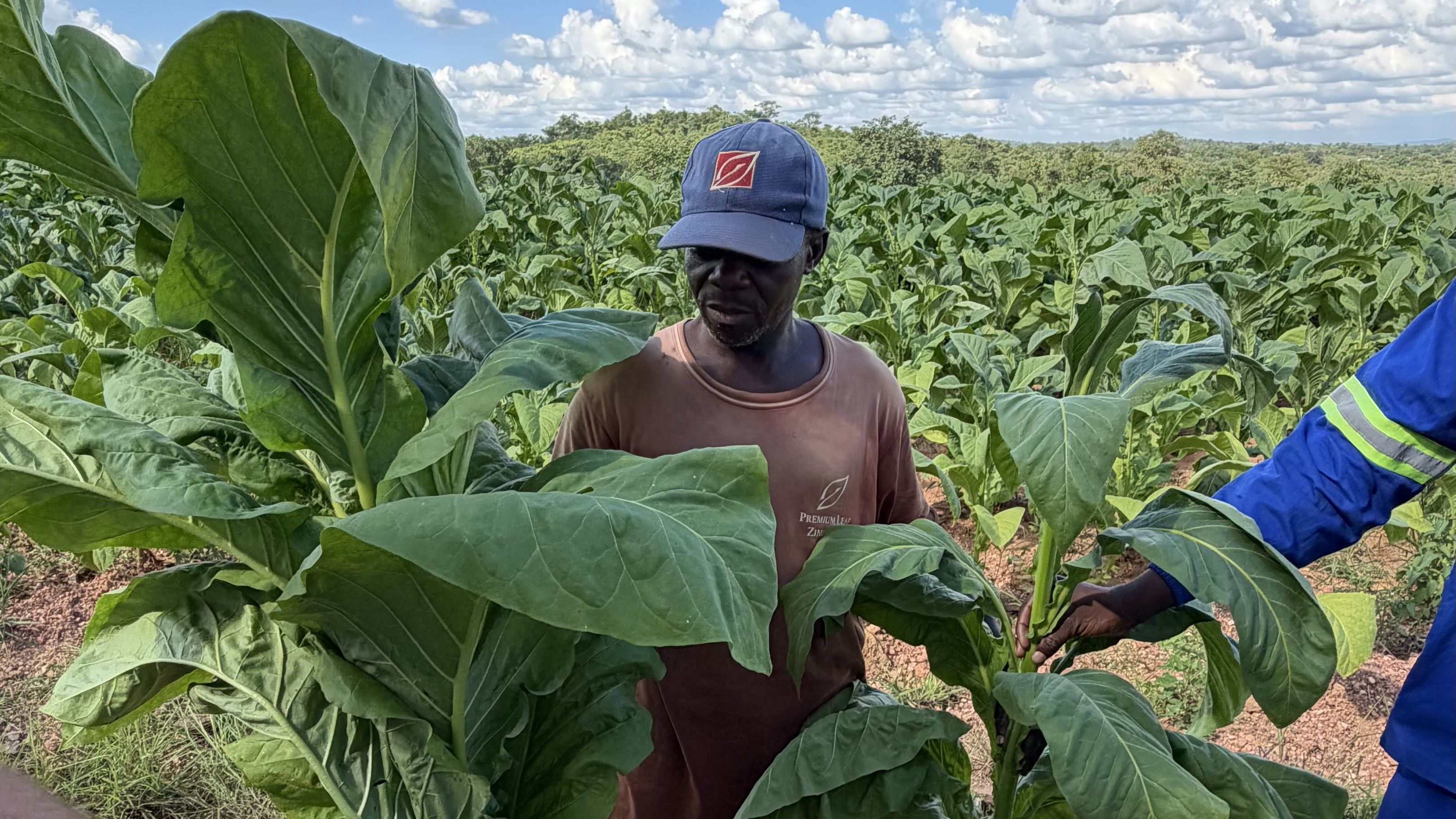
Nutrien had been working with local partners to test a different approach to crop nutrition on tobacco farms, replacing some traditional dry fertilizer with liquid Nutrien products.
The results stood out. Field trials delivered yield improvements of approximately 25 percent without sacrificing quality.
"What you see in the field is a big difference," Nicolas says.
On a one-hectare farm, greater productivity isn't simply another number on a yield chart. It can mean meaningful additional income for the family that depends on it.
That's why one grower's reaction stuck with Nicolas.
After seeing the results on his own land, the grower didn't need convincing. He simply wanted access to the product again.
"I want to use it," the grower told him. "This is giving me more money."
Starting with the problem
The work in Zimbabwe began in 2019 through a connection Kent Lambden, Sr. Director, Global Commercial Development, had in the region. But finding an opportunity was only the beginning.
"We always have to think about the problem we're solving for our customer," Kent says. "If we can't solve a problem, we're all wasting our time."
Part of that problem was improving productivity on land that had been farmed for decades. Nutrien's approach helped reduce fertilizer requirements while increasing productivity.
For Kent, however, the significance of those gains is easiest to understand at the scale of a single farm.
Additional income can mean transportation that makes it easier to reach town and sell other farm products. It can mean building materials, seed for food crops or fertilizer for those crops. Those possibilities matter differently when a family's livelihood is tied so closely to a single hectare.
Taking the learning somewhere new
And the lessons from those one-hectare farms aren't staying there.
In Latin America, Nicolas is applying concepts from the African work to soybeans on farms that can stretch across thousands of hectares and rely on mechanized equipment.
The scale and farming methods couldn't look much more different. But the idea is familiar: understand the agronomic challenge, test a different approach and build on what works.
Kent sees similar potential to carry agronomic learning between geographies. Different markets can share similar soil challenges, creating opportunities to apply concepts and technologies that have shown success in one place somewhere new.
For Nicolas, though, the lesson became tangible on one hectare in Zimbabwe.
And sometimes one hectare is enough to see just how much of a difference better agronomy can make.
Related stories